
The Hidden Bitcoin Bottom Signal Most Traders Are Missing
Bitcoin traded near $70,779 with the Fear and Greed Index sitting at 16, deep in “Extreme Fear” territory, yet a growing body of on-chain evidence suggests the market may be closer to a cyclical floor than the prevailing panic implies.
The disconnect between sentiment and structural positioning is not new to Bitcoin cycles. What makes the current setup notable is the convergence of multiple on-chain signals pointing toward late-stage capitulation rather than the start of a deeper unraveling.
What to Know
- The MVRV Z-Score measures how far Bitcoin’s market value has stretched above or below its realized value, a cost-basis proxy for the entire network. Extreme lows have historically aligned with accumulation zones.
- Current on-chain conditions, including record accumulation and deeply negative sentiment readings, mirror prior cycle bottoming patterns, though no single metric confirms a floor by itself.
What the MVRV Z-Score Reveals That Price Charts Miss
Bitcoin’s realized cap represents the aggregate value of every coin priced at the moment it last moved on-chain. Unlike market cap, which multiplies the entire supply by the latest spot price, realized cap reflects the average cost basis of all holders.
The MVRV Z-Score normalizes the gap between market value and realized value. When the score compresses toward zero or turns negative, it signals that the average holder is near breakeven or underwater, a condition that has historically preceded major cycle lows.
Alphractal founder Joao Wedson highlighted a related valuation tool on April 7, noting that Bitcoin’s 720-day Trend-Based Bitcoin Indicator (TBBI) was sitting in extreme bearish territory. He framed the reading as a multi-year sentiment-cycle signal rather than short-term noise.
This is the chart bears don’t want you to see.
The 720-day TBBI is not noise. It captures multi-year sentiment cycles and reveals the real structural positioning of the market beyond short-term volatility.
Right now, it is sitting in extreme bearish territory.
Historically,… pic.twitter.com/xD8JWNXG2U
— Joao Wedson (@joao_wedson) April 7, 2026
Source: @joao_wedson on X
The TBBI had dropped below 20, a threshold that in prior cycles appeared during the final stages of prolonged drawdowns. It is important to note that no single on-chain metric confirms a bottom by itself; these tools measure valuation context, not timing.
Why Current On-Chain Conditions Suggest Bitcoin Is Closer to a Bottom
While headline sentiment remains fearful, on-chain accumulation tells a different story. BTC held by accumulating address cohorts crossed 4.37 million BTC as of April 7, up from roughly 2 million BTC in early 2024. That kind of supply absorption during a fear-driven market echoes the quiet accumulation phases seen near previous cycle lows.
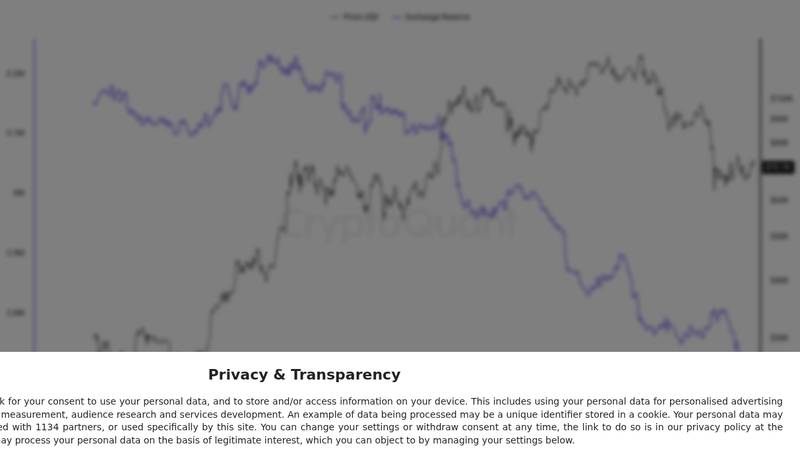
The CryptoQuant Bitcoin network activity index rose to 3,600 from 3,320 on March 22, suggesting the network is not deteriorating even as prices slide. At the same time, active-address momentum fell to -0.25 on April 6, the lowest level since April 2018.
That combination, rising network utility alongside deeply negative address momentum, has historically marked periods where short-term participants have capitulated while longer-term holders continue to build positions. For investors who followed the post-ceasefire crypto outlook earlier this year, the pattern may look familiar: fear-driven selling meets patient accumulation.
Wedson’s analysis pointed to a realized-price downside level near $54,000 as the next structural support if selling pressure intensifies. That figure represents the aggregate cost basis of the network, a level Bitcoin has rarely traded below for extended periods in prior cycles.
The structural resilience of Bitcoin’s network relative to other assets adds context here. Even as speculative interest wanes, the underlying infrastructure continues to process transactions and absorb supply.
How Investors Should Read This Signal Without Overreacting
Bottoms are processes, not single-day events. Even when on-chain valuation signals flash extreme readings, the market can grind sideways or dip further for weeks before a sustained reversal takes hold. The April 2018 active-address momentum trough, for comparison, preceded a multi-month basing period rather than an immediate rally.
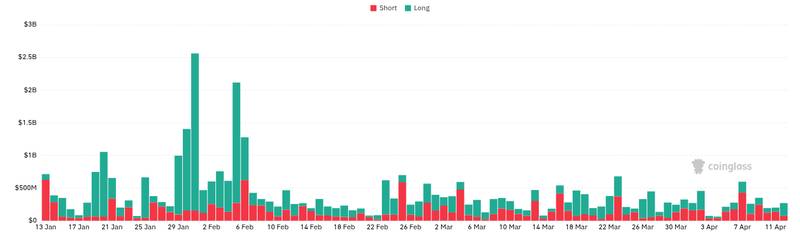
Macro shocks, leverage flushes, and liquidity events can still generate sharp volatility regardless of what on-chain metrics suggest. The current derivatives landscape, with liquidation cascades still a risk factor as seen in recent high-profile DeFi loan events, means that short-term price action can diverge significantly from longer-term valuation signals.
The MVRV Z-Score and TBBI are best understood as context tools for investors with multi-month or multi-year time horizons. They indicate when risk-reward has historically improved, not when the exact low is in.
For long-term Bitcoin holders, the current setup, with the Fear and Greed Index at 16, accumulating wallets absorbing supply at the fastest pace in two years, and valuation indicators in historically depressed territory, points to conditions where patience has been rewarded in prior cycles. That is not a guarantee; it is a probability framework built on verifiable on-chain data rather than price predictions.
Disclaimer: This article is for informational purposes only and does not constitute financial or investment advice. Cryptocurrency and digital asset markets carry significant risk. Always do your own research before making decisions.