SEC and CFTC Issue New Guidelines for Crypto Interfaces
The SEC and CFTC have each taken separate but parallel steps to clarify how crypto interface providers, including wallet apps, browser extensions, and trading front-ends, can operate without triggering broker-dealer or introducing-broker registration requirements.
The actions arrived on different dates and carry different legal weight, but together they signal a more defined regulatory path for companies building noncustodial crypto tools in the United States.
What the SEC and CFTC Said About Crypto Interfaces
On April 13, 2026, the SEC’s Division of Trading and Markets issued a staff statement on broker-dealer registration for certain user interfaces used to prepare transactions in crypto asset securities. The statement defines a “Covered User Interface” as a website, browser extension, or software application, including one embedded in a self-custodial wallet, that assists users in initiating crypto asset securities transactions on blockchain protocols.
The SEC staff carved out these interface providers from broker-dealer registration, but attached strict conditions. Providers must use objective routing and pricing logic, accept only fixed and route-agnostic compensation, provide extensive disclosures, and refrain from soliciting specific trades, offering advice, holding custody, executing orders, or routing transactions.
The relief is explicitly temporary. Absent intervening Commission action, the staff statement withdraws five years after April 13, 2026. It is also staff-level guidance, not a formal Commission rule, meaning it does not carry the same legal force as an adopted regulation.
WHAT TO KNOW
- SEC side: Staff-level, 5-year safe harbor for crypto interface providers that meet disclosure, compensation, and neutrality conditions.
- CFTC side: A Phantom-specific no-action letter allowing a self-custodial wallet to connect users to regulated derivatives markets under 10 conditions.
Separately, on March 17, 2026, the CFTC’s Market Participants Division issued a no-action position addressed specifically to Phantom Technologies. The letter stated the division would not recommend enforcement against Phantom for failure to register as an introducing broker, provided Phantom’s software activities met 10 specified conditions.
Under those conditions, Phantom would let users review market data and submit orders for event contracts, perpetual contracts, and other CFTC-regulated derivatives directly to collaborating platforms. Phantom would not hold user assets or exercise discretion over routing or execution.
The CFTC’s 10 conditions include user disclosures, direct onboarding with collaborating platforms, NFA-style marketing controls, recordkeeping obligations, insolvency notice requirements, and joint-and-several liability undertakings with collaborators. The relief is narrowly scoped to Phantom and the facts described in Staff Letter 26-09.
The two agencies also aligned on a broader crypto-asset interpretation. The SEC’s March 17, 2026 press release confirmed that the CFTC joined the SEC’s framework and will administer the Commodity Exchange Act consistent with that interpretation, distinguishing securities-related oversight from commodities-related oversight.
How the New Rules Could Affect Platforms, Wallets, and Trading Access
The SEC’s conditions suggest that regulators will scrutinize how front-end interfaces handle order routing, fee structures, and user disclosures. Platforms that earn variable commissions based on trade direction, token selection, or routing destination could fall outside the safe harbor.
Wallet providers that aggregate liquidity across decentralized exchanges may face the closest review. The SEC’s requirement for “objective routing and pricing logic” means any interface that steers users toward specific pools or protocols for revenue reasons risks being classified as a broker-dealer.
For the derivatives side, the Phantom letter offers a narrower template. Cooley’s legal analysis noted that the letter gives noncustodial wallet providers a practical pathway into CFTC-regulated derivatives markets, provided they avoid custody, routing discretion, and express buy or sell signals. Other wallet providers seeking similar relief would likely need to mirror the same 10 conditions.
The impact will vary by platform model. Pure information interfaces that display prices and let users construct transactions independently face the least friction. Aggregators that optimize routing or recommend trades face the most, as some of the activity that has driven growth in decentralized trading access on networks like Solana could require redesign to meet the SEC’s neutrality standards.
Exchanges and centralized platforms already registered as broker-dealers are largely unaffected. The guidance targets the gray zone between fully decentralized protocols and regulated intermediaries, where wallet apps and trading front-ends have operated without clear rules.
Why the Guidance Matters for the Next Phase of Crypto Regulation
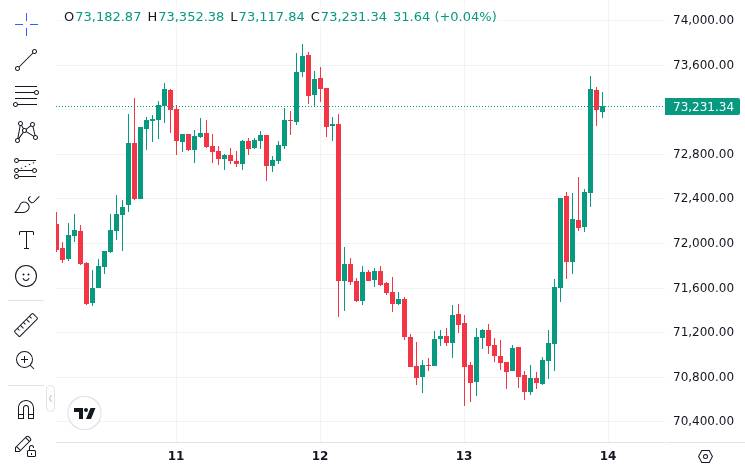
These actions arrive during a period of broad market caution. Bitcoin traded near $73,260 while the Fear and Greed Index sat at 12, reflecting extreme fear across crypto markets even as regulators moved toward clearer frameworks.
For businesses, the SEC’s five-year sunset clause creates both opportunity and urgency. Interface providers now have a defined window to operate under staff-level relief, but must plan for the possibility that no formal rule replaces it. The temporary nature of the guidance could also affect how investors assess risk in companies building noncustodial trading tools.
The CFTC’s Phantom-specific approach, rather than a broadly applicable rule, means other wallet providers must apply individually for similar relief. This creates a bottleneck that could slow adoption in the derivatives segment, where demand for decentralized access to contracts has been growing.
The joint crypto-asset interpretation from March 17 provides a foundation that future enforcement actions and rulemaking will likely reference. By aligning on which tokens and arrangements qualify as securities versus commodities, the agencies reduced one layer of uncertainty, even as questions remain about how aggressively either agency will enforce the new interface conditions.
For retail users, the practical effect depends on whether their preferred wallet or trading app qualifies under the new framework. Interfaces that meet the conditions can continue operating. Those that do not may need to restrict features, adjust fee models, or pursue registration, potentially changing how users in the U.S. access crypto markets and related investment products.
Scheduled enforcement priorities and any formal rulemaking that follows these staff-level actions will determine whether the current guidance becomes a lasting framework or a temporary bridge to stricter requirements.
Disclaimer: This article is for informational purposes only and does not constitute financial or investment advice. Cryptocurrency and digital asset markets carry significant risk. Always do your own research before making decisions.