
Report: Italy’s Largest Bank Added $18M Grayscale XRP Stake in Q1
Italy’s largest bank reportedly added an $18 million stake in a Grayscale XRP product during the first quarter of 2026, according to a report that has drawn attention from altcoin market watchers.
What the report says about the bank’s Q1 Grayscale XRP position
The claim centers on a report indicating that Italy’s largest bank acquired an $18 million position in a Grayscale XRP investment product during Q1 2026. The exposure is routed through a Grayscale vehicle, not through direct spot XRP holdings.
The reported details trace back to SEC filing records associated with the disclosure entity. It is important to note that this development is described as a report rather than a confirmed direct announcement from the bank itself.
Because the position is held through a Grayscale product, the bank’s exposure reflects the performance and structure of that fund rather than a direct custody arrangement for XRP tokens. This distinction matters: the institution holds fund shares, not the underlying digital asset.
Why the reported XRP-related move matters for altcoin market watchers
If confirmed, the allocation would represent a notable instance of a major European bank gaining exposure to an altcoin-linked investment product through U.S.-regulated fund structures. Italy’s largest bank taking such a position would signal institutional willingness to engage with XRP beyond retail channels.
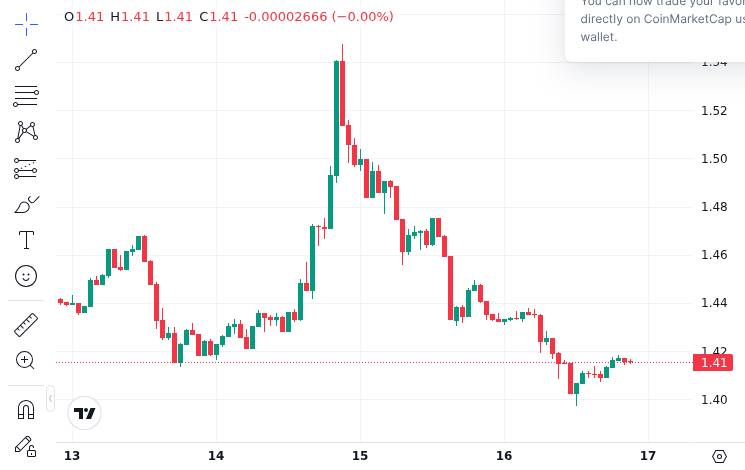
The Q1 timing gives the reported move a defined investment window, allowing observers to compare the entry point against XRP’s price trajectory during that period. Institutional interest in XRP-linked products has drawn broader attention in recent months, particularly as other fund managers have pursued similar crypto-adjacent strategies, including Grayscale ETF filing developments around BNB.
Bank-level exposure through regulated products differs from direct token purchases. It suggests a compliance-first approach to digital asset allocation, where the institution relies on an established fund manager rather than building its own crypto custody infrastructure.
What to watch after the reported Q1 stake disclosure
Any official confirmation from the bank or updated SEC filings would shape how markets interpret the report. Without direct acknowledgment, the claim remains based on filing data rather than a public announcement.
Future quarterly disclosures will reveal whether the position was maintained, increased, or unwound after Q1. Institutional holders of Grayscale products have historically adjusted positions across reporting periods, making follow-up filings a key watchpoint. The broader crypto market has seen how quickly sentiment can shift following major disclosures, as THORChain’s emergency chain halt recently demonstrated in a different context.
Whether other European or global banks pursue similar XRP-linked allocations could indicate whether this reported move reflects an isolated decision or part of a wider institutional trend. Events like the KelpDAO hack underscore why institutions often prefer regulated fund wrappers over direct protocol exposure.
Until additional filings or official statements emerge, the $18 million figure remains a single-source report. Readers should treat it as an unconfirmed but noteworthy signal of potential institutional interest in XRP-linked products from one of Europe’s largest banking groups.
Disclaimer: This article is for informational purposes only and does not constitute financial or investment advice. Cryptocurrency and digital asset markets carry significant risk. Always do your own research before making decisions.