
A Zcash ETF filing has surfaced on the SEC's EDGAR database, drawing fresh attention to whether privacy-focused cryptocurrencies could eventually join the growing roster of digital asset investment products available to U.S. investors.
The filing, an S-3 amendment submitted to the Securities and Exchange Commission, represents a continued push to bring a Zcash-linked product to market. Zcash is a cryptocurrency built around shielded transactions that use zero-knowledge proofs, allowing users to transact without revealing sender, receiver, or amount details on the public blockchain.
The amended filing signals that the applicant is actively responding to SEC feedback rather than abandoning the effort, a detail that separates this from speculative ETF chatter that often circulates around altcoins.
Why a Privacy Coin ETF Filing Stands Out
Privacy coins occupy a distinct and often contentious corner of the crypto market. Unlike Bitcoin or Ethereum, whose transaction histories are fully visible on-chain, assets like Zcash offer optional privacy features that have attracted both advocates for financial privacy and scrutiny from regulators concerned about illicit finance.
That tension makes a Zcash ETF filing inherently more complex than filings tied to mainstream digital assets. Regulators weighing approval must consider not only market manipulation safeguards and custody standards, but also the unique compliance questions that Zcash's privacy-enhancing technology raises.
The filing arrives at a time when U.S. lawmakers are actively debating how to regulate digital assets more broadly. Senators have filed over 100 amendments to pending crypto legislation ahead of a Senate markup, underscoring how fluid the regulatory environment remains for all crypto products, let alone those involving privacy coins.
What the Filing Could Mean for Privacy Coins
For the broader privacy coin category, the filing represents a potential inflection point. An ETF wrapper could offer a path toward market legitimacy for a segment that has largely been excluded from institutional conversations.
Investors who cannot or will not hold raw ZEC tokens might consider a regulated fund structure, provided it clears the SEC's review process. That dynamic mirrors what played out with Bitcoin and Ethereum, where ETF approval unlocked entirely new pools of capital.
For skeptics, the filing raises questions about whether demand exists at a scale that justifies the product. Zcash's market capitalization and daily trading volume remain a fraction of the assets that have already secured ETF approval, and regulatory appetite for privacy-focused products is untested.
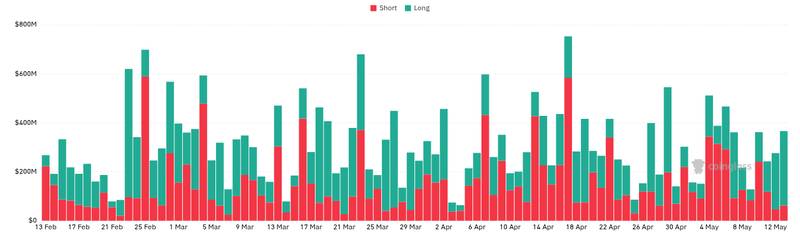
The broader derivatives market continues to reflect elevated activity across crypto assets. Liquidation data shows how leveraged positions can amplify volatility during periods of regulatory uncertainty.
How Zcash Fits Into the Wider Crypto ETF Market
The crypto ETF conversation has widened considerably since spot Bitcoin ETFs launched in early 2024. Ethereum-based products followed, and applications tied to assets like Solana and XRP have entered the queue. A Zcash filing extends that pipeline into territory that most market participants had not expected to see tested this soon.
The growing institutional exposure to crypto assets through various vehicles, from direct holdings to ETF wrappers, suggests the appetite for regulated products continues to expand beyond Bitcoin.
Meanwhile, the intersection of crypto and politics continues to create new dynamics. High-profile political scrutiny of crypto industry ties in multiple countries adds another layer of complexity for any product seeking regulatory approval.
The outcome of this filing will likely serve as a signal for the entire privacy coin segment. If the SEC engages constructively, it could open the door for similar products tied to other privacy-focused protocols. A rejection or prolonged silence could confirm that privacy coins face a higher regulatory bar than their transparent counterparts.
Disclaimer: This article is for informational purposes only and does not constitute financial or investment advice. Cryptocurrency and digital asset markets carry significant risk. Always do your own research before making decisions.