
Strategy Posts $14.5B Unrealized Bitcoin Loss in Q1
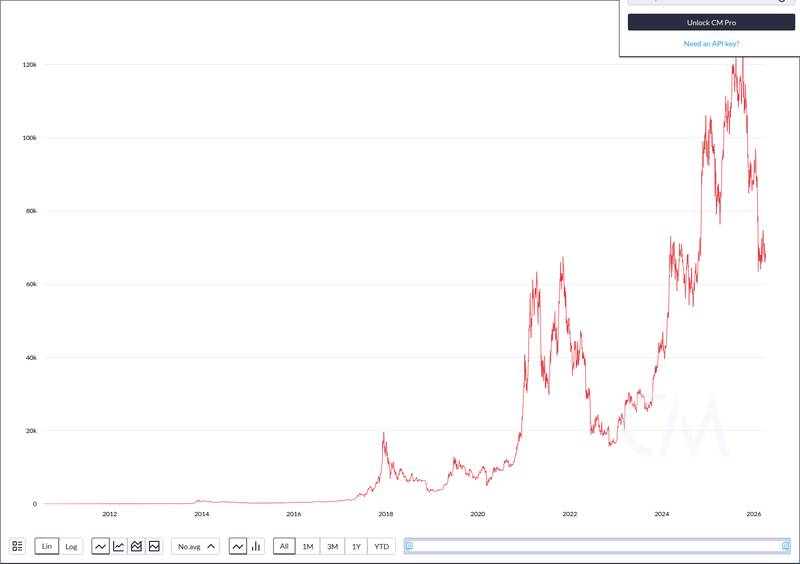
Strategy, the company formerly known as MicroStrategy, recorded a $14.46 billion unrealized loss on its Bitcoin holdings for the first quarter of 2026, according to an SEC filing. The loss reflects a sharp decline in Bitcoin’s market price during the quarter, not an actual sale of coins, and puts renewed focus on how the largest corporate Bitcoin holder accounts for digital asset volatility.
Why Strategy reported a $14.5 billion unrealized Bitcoin loss in Q1
The $14.46 billion unrealized loss stems from FASB accounting standard ASU 2023-08, which requires companies to mark crypto holdings to fair value at each reporting period. When Bitcoin’s price drops between quarter-end dates, the paper loss flows directly into net income, even though Strategy did not sell a single coin.
As of March 31, 2026, Strategy held 766,970 BTC with an aggregate cost basis of $58.02 billion, reflecting an average purchase price of $75,644 per Bitcoin. The digital asset carrying value at quarter-end stood at $51.65 billion, representing the gap between what Strategy paid and what the market said the holdings were worth.
The distinction matters: an unrealized loss is a snapshot, not a permanent impairment. If Bitcoin’s price recovers, the same accounting rule that created the Q1 loss can generate an equally large gain in Q2. No coins left Strategy’s balance sheet.
What the Q1 Bitcoin revaluation means for Strategy’s balance sheet
Strategy controls 3.65% of Bitcoin’s total 21 million coin supply, making it the largest corporate holder. That concentration means even modest Bitcoin price swings produce headline-grabbing earnings figures, both up and down.
The company also recorded a $2.42 billion deferred tax benefit tied to the unrealized loss. However, management simultaneously established offsetting valuation allowances, including a $1.73 billion allowance against deferred tax assets, effectively neutralizing the tax benefit on its financial statements. That conservative accounting posture signals uncertainty about near-term price recovery.
Despite the paper loss, Strategy continued buying. Between April 1 and 5, the company acquired 4,871 BTC for approximately $329.9 million at an average price of $67,718 per coin. That purchase price sits well below the overall $75,644 average cost basis, effectively lowering the blended entry point through dollar-cost averaging.
The April purchases were funded through at-the-market equity offerings totaling $473.9 million, a shift from the debt-heavy approach Strategy used in earlier accumulation phases. Using equity instead of debt reduces leverage risk at a time when regulatory frameworks for crypto fundraising remain in flux and broader market sentiment sits in extreme fear territory.
Why investors will watch Strategy’s next Bitcoin and earnings update
Bitcoin traded at $68,732 at press time, already above the implied quarter-end price that produced the $14.46 billion loss. If Bitcoin holds near current levels through June 30, Strategy could report a significant unrealized gain in Q2, reversing much of the Q1 headline.
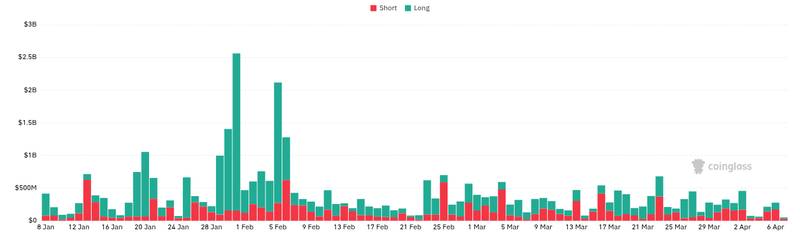
The Fear and Greed Index currently reads 11, deep in “Extreme Fear” territory. That level of investor anxiety has historically coincided with periods where altcoin and broader crypto narratives shift quickly once sentiment turns. For Strategy, any sustained Bitcoin recovery directly improves both its balance sheet and its earnings narrative under the new fair-value accounting rules.
The company also expects to record a $0.5 billion valuation allowance against deferred tax assets from its legacy software operations, adding another line item investors will scrutinize in the full quarterly report.
Strategy’s next earnings update and any additional Bitcoin purchases will determine whether the Q1 loss remains the dominant narrative or becomes a footnote in a broader recovery. With 766,970 BTC on its books and a continued appetite for accumulation even as other investors pivot, the company’s financial results will remain a direct proxy for Bitcoin’s price trajectory.
Disclaimer: This article is for informational purposes only and does not constitute financial or investment advice. Cryptocurrency and digital asset markets carry significant risk. Always do your own research before making decisions.