U.S. jobs in focus after Feb 2026 report analysis
What to Know:
- U.S. payrolls fell 92,000 in February, one-third due to strikes.
- Weaker February muddies labor momentum and wage pressure assessments this spring.
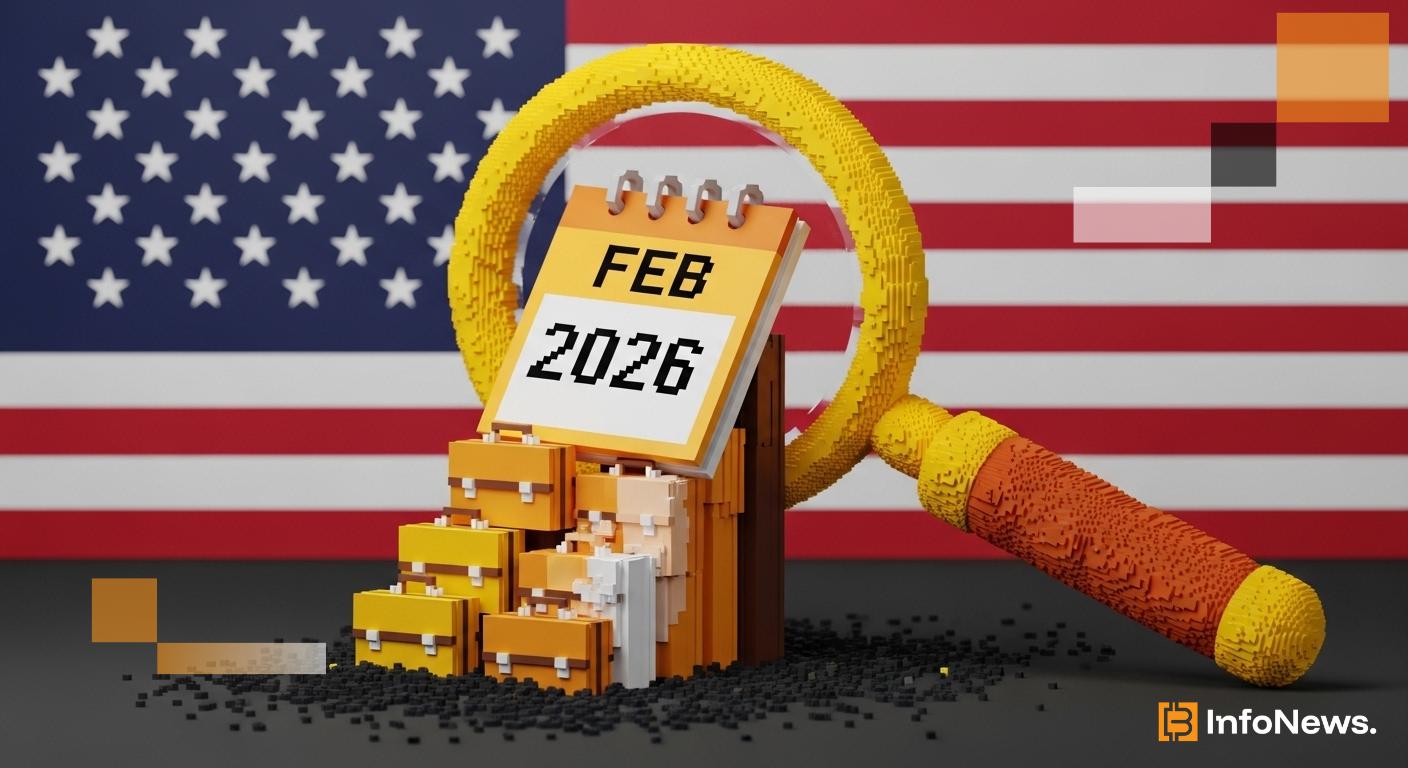
February’s U.S. employment data showed a notable setback. According to the Economic Policy Institute (https://www.epi.org/blog/u-s-economy-lost-an-alarming-92000-jobs-in-february-private-sector-experienced-vast-majority-of-losses-one-third-were-due-to-temporary-strikes/), payrolls fell by roughly 92,000 in February 2026, with about one-third of the losses tied to temporary strikes.
The institute’s review indicates declines were concentrated in health care, and the private sector accounted for most of the pullback. It also noted that average job growth has slowed sharply in recent months.
Analysts cited strike activity as a key driver of the decline, with outsized sensitivity evident in health care. Why it matters: A weaker February complicates assessments of labor‑market momentum and wage pressures heading into spring.
Robert Hadden report Columbia University: board response and reforms
In an official statement from news.columbia.edu/news/statement-board-trustees?utm_source=openai” target=”_blank” rel=”nofollow noopener”>Columbia University’s Board of Trustees (https://communications.news.columbia.edu/news/statement-board-trustees), the co-chairs on march 10, 2026 emphasized institutional responsibility, apologized to survivors, and outlined reforms intended to prevent a recurrence of abuse. The response centers survivor impact and assigns clear accountability to leadership.
“Patients came to our institution seeking care and placed their trust in us, and that trust was grievously violated,” said co-chairs David J. Greenwald and Jeh Johnson. The statement adds that reforms are being shaped with the aim of ensuring such abuse can never occur again.
Leaders credited survivors for bringing the issue into focus and said their experiences are informing changes to policy and oversight. The response frames patient-safety governance and accountability as central to ongoing reforms. Why it matters: The board’s stance signals concrete responsibility for past failures and sets expectations for compliance, oversight, and survivor-centered safeguards.
UN CERF $15 million Lebanon Gaza and OCHA updates
According to the United Nations Office for the Coordination of Humanitarian Affairs (OCHA) (https://www.un.org/sg/en/content/highlight/2026-03-11.html), a rapid response allocation of USD 15 million from the Central Emergency Response Fund will help scale life-saving support in Lebanon, complementing national efforts to address urgent needs.
The office also reported severe operational constraints in Gaza, including hospital generator failures, shortages of spare parts and lubricating oil, energy disruptions, and hygiene-related outbreaks such as scabies. In the West Bank, more than 180 Palestinians have been displaced since the escalation began amid settler violence and movement blockages, alongside reminders to protect civilians and uphold accountability. Why it matters: The CERF infusion and OCHA’s field updates quantify both the scale of need and the hard limits on service delivery, informing donor prioritization and risk assessments.
| Disclaimer: The information on this website is for informational purposes only and does not constitute financial or investment advice. Cryptocurrency markets are volatile, and investing involves risk. Always do your own research and consult a financial advisor. |