

Wintermute CEO commentary on the KelpDAO hack puts DeFi composability risk, protocol dependencies, and crypto market exposure back in focus.
Wintermute CEO Evgeny Gaevoy has warned that the KelpDAO hack brings DeFi composability risks back into sharp focus, highlighting how interconnected protocol dependencies can amplify damage from a single exploit across the broader decentralized finance ecosystem.
The KelpDAO incident, which involved the rsETH liquid restaking token, triggered cascading concerns across protocols that had integrated the asset as collateral. Gaevoy stated on X that DeFi innovation “looks quite grim” in the wake of the exploit, pointing to the systemic nature of composability risk.
The hack reportedly affected $292 million in value and created a liquidity crisis on Aave, where rsETH had been used as collateral by depositors. The incident prompted an emergency governance discussion on the Aave forum as community members assessed exposure.
Why DeFi Composability Amplifies Single-Protocol Failures
DeFi composability refers to the ability of protocols to integrate with and build upon each other, often described as “money legos.” A liquid staking token minted on one protocol can serve as collateral on a lending platform, which itself feeds into yield strategies elsewhere.
This interconnection creates efficiency but also means that a vulnerability in one layer can propagate through every protocol that depends on the compromised asset. When rsETH lost its peg or became untradeable, every position collateralized by that token faced simultaneous stress.
The Aave governance community opened a dedicated incident thread to discuss risk parameters and whether integration standards for liquid restaking tokens need revision. This mirrors concerns raised after previous DeFi exploits where similar frontend and smart contract dependencies were tested, including a recent episode where a Vercel breach left DeFi frontends on alert.
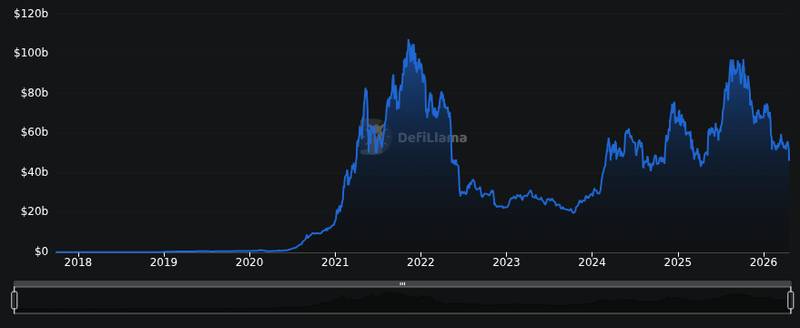
The broader DeFi market reacted sharply. CryptoSlate reported that DeFi users pulled $10 billion from protocols in the aftermath, creating what observers described as “bank run optics” even for platforms not directly affected by the exploit.
This withdrawal pattern demonstrates exactly the composability risk Gaevoy highlighted: fear spreads through interconnected systems regardless of whether each individual protocol was compromised. Ethereum’s broader Layer 2 ecosystem, which recently topped 50 million daily transactions, depends heavily on these trust assumptions holding.
What the KelpDAO Episode Means for DeFi Risk Management
For DeFi builders, the incident reinforces that integrating external yield-bearing tokens as collateral requires continuous monitoring, not just a one-time audit. Protocol teams must evaluate not only their own smart contract security but the full dependency chain of every asset they accept.
LayerZero, whose infrastructure was involved in the incident, published an incident statement detailing their perspective on the exploit’s mechanics and their response. Cross-chain messaging layers add another node in the composability graph that must be secured.
For traders and depositors, the practical takeaway is that exposure assessment must account for indirect risk. A position on a lending protocol is only as safe as the weakest collateral type that protocol accepts, because liquidation cascades from one asset class can drain liquidity pools that affect all users. Newer cross-chain token mechanisms, like those enabling wXRP trading on Solana via WhatsApp, add further integration layers that carry similar dependency considerations.
The renewed scrutiny on DeFi composability risk is the central outcome of this episode. Whether it leads to stricter collateral listing standards, better circuit-breaker mechanisms, or more conservative integration practices will depend on governance decisions across multiple protocols in the coming weeks.
Disclaimer: This article is for informational purposes only and does not constitute financial or investment advice. Cryptocurrency and digital asset markets carry significant risk. Always do your own research before making decisions.