



Most people say they want Bitcoin exposure, but few ever act. Here is why hesitation, fear, and bad timing keep buyers on the sidelines.
Most people will never buy Bitcoin. Not because they cannot afford it, not because they do not understand it, but because the gap between wanting to act and actually acting is wider than any price chart can show.
This is the pattern that repeats every market cycle. People watch Bitcoin rise, tell themselves they will buy the next dip, then freeze when the dip arrives. The intention is real. The follow-through almost never is.
Behavioral researchers have documented this phenomenon across financial decisions. A study published in PMC explored how cognitive biases and emotional friction consistently prevent individuals from acting on financial intentions, even when they believe the opportunity is sound.
Why Stated Intent Rarely Becomes a Purchase
The intention-action gap is simple to describe: people genuinely plan to buy, then find reasons not to at the moment of decision. Fear of loss, fear of scams, and fear of looking foolish to peers all stack up into paralysis.
Conflicting market commentary makes this worse. For every analyst calling a bottom, another warns of further downside. The result is not careful evaluation. It is indefinite postponement disguised as research.
WHAT TO KNOW
- The intention-action gap means genuinely planning to buy Bitcoin but repeatedly delaying at the point of decision, often across multiple market cycles.
- Hesitation compounds: each missed cycle reinforces the belief that “the opportunity has passed,” making the next entry feel even harder.
This hesitation compounds over time. Someone who waited through 2017, 2020, and 2024 does not feel three times as cautious. They feel permanently locked out, as multiple retrospective accounts from would-be buyers have illustrated.
The Real Barriers: Psychology, Process, and Excuses
Emotional barriers and logistical barriers are different problems, but they reinforce each other. Loss aversion makes a 10% pullback feel like confirmation that waiting was correct. The brief relief of avoiding a loss outweighs the long-term cost of missing a recovery.
Then there is onboarding friction. Choosing an exchange, completing KYC verification, understanding custody options, and worrying about security all create decision fatigue before a single dollar is spent.
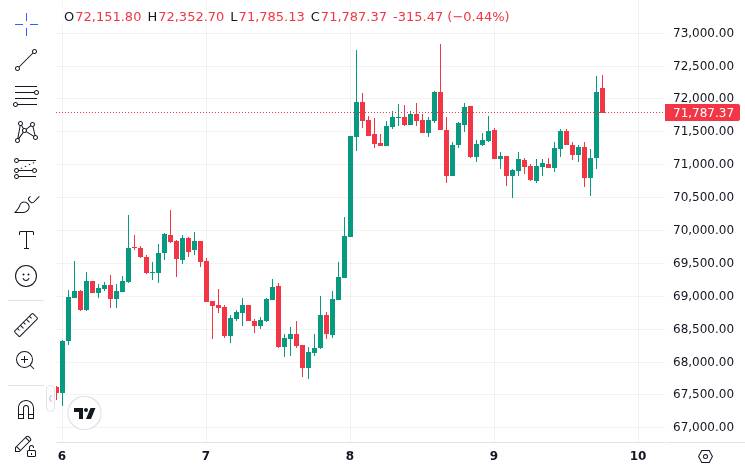
The most common excuse loop follows a predictable script: “I missed it already” leads to indefinite postponement. This framing treats Bitcoin as a single event rather than an ongoing market, which some commentators have challenged directly by questioning the “Bitcoin millionaire myth.”
Inaction feels like caution. In practice, it is a repeated choice with its own cost, one that grows with each cycle. Even developments like new Bitcoin-focused SPACs filing to go public or major crypto fundraising rounds fail to convert intent into action for most observers.
What Finally Gets People to Act Before It Feels Comfortable
Most first-time buyers do not act on conviction. They act after price recovery restores social proof, when colleagues or friends start talking about gains again. By then, the easiest entry window has closed.
The behavioral research points to a different approach. Small, rules-based entries, such as fixed recurring purchases, reduce the emotional weight of any single decision. The size of each buy matters less than the removal of the decision point itself.
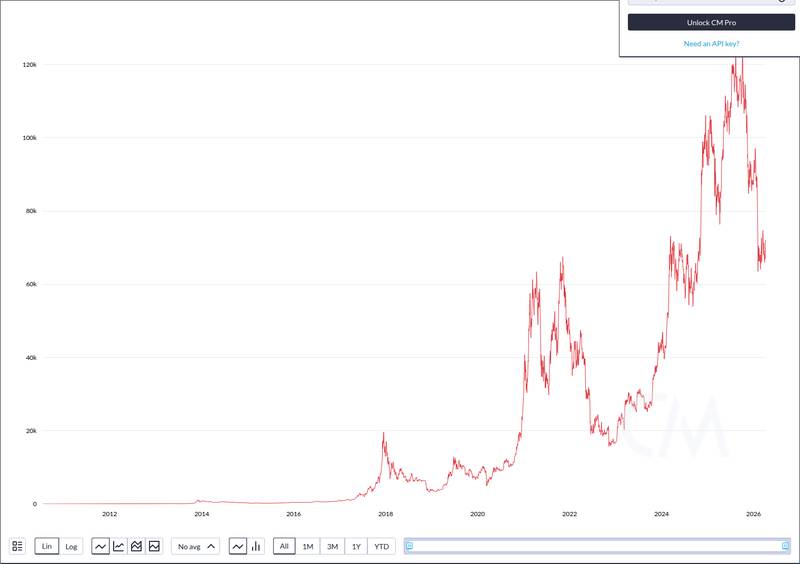
Commitment mechanisms, automated purchases on a schedule regardless of price, outperform motivation in volatile markets. Waiting for certainty means waiting forever. Building a repeatable process means the decision only needs to be made once.
The broader market continues to move regardless of individual hesitation. While some watch from the sidelines, active participants navigate real volatility across assets like XRP and adjust positions based on data rather than emotion.
The headline says most of you will never buy Bitcoin. That is not a prediction. It is a description of a pattern that has repeated for over a decade, and the psychology behind it has not changed.
Disclaimer: This article is for informational purposes only and does not constitute financial or investment advice. Cryptocurrency and digital asset markets carry significant risk. Always do your own research before making decisions.
