
Thailand Raids Illegal Bitcoin Mining Operation After $80,000 Power Losses
Thailand’s Provincial Electricity Authority coordinated with police to raid an illegal bitcoin mining operation in Lampang province after estimating roughly 2 million baht in power losses from the site, part of an escalating national crackdown on electricity theft tied to cryptocurrency mining.
Why Thai Authorities Targeted the Illegal Mining Site
The PEA said officers discovered 18 bitcoin-mining machines at the Lampang location. The agency’s own notice put the damage from unlawful electricity use at approximately 2 million baht.
Secondary reporting from regional outlets cited a higher figure exceeding 3 million baht, or about $80,000, though the directly fetched PEA notice gives the lower estimate. According to unconfirmed local reporting, the site’s electricity bills showed only about 400 baht per month despite industrial-scale mining activity, a discrepancy that likely triggered the inspection.
PEA’s governor, Mongkol Trikitchananon, directed units to accelerate inspections and pursue civil and criminal cases where electricity was misused for bitcoin mining. The directive signals that the Lampang raid was not an isolated incident but part of a broader enforcement mandate.
What the Case Shows About Bitcoin Mining and Electricity Abuse
Bitcoin mining’s energy demands make it uniquely visible to utility monitors. At a network hash rate near 985 EH/s, the global competition for block rewards pushes operators toward cheap or stolen power, particularly in regions where residential electricity rates are subsidized.
Thailand is not alone in facing this problem. Earlier this year, Chinese customs officials in Zhejiang seized 400 crypto mining machines in a separate enforcement action targeting undeclared hardware imports, illustrating how regulators across Asia are tightening oversight of mining infrastructure.
The Lampang operation’s meter tampering meant the full cost of powering 18 ASIC machines was absorbed by the provincial grid. PEA noted that such cases warrant both civil recovery of losses and criminal prosecution under Thai electricity law.
What to Watch Next in Thailand’s Crypto Enforcement
The May 2026 raid sits inside an ongoing campaign rather than appearing as a one-off event. A February 2025 PEA page confirmed the utility was already coordinating with Thailand’s Department of Special Investigation to suppress illegal electricity use for digital-currency mining. By December 2025, PEA held a formal management meeting focused on tracking bitcoin-mining electricity abuse and escalating legal action against offenders.
That regulatory continuity suggests additional raids are likely. Large utility losses of the kind seen in Lampang typically lead to tighter anti-tampering inspections across neighboring provinces, pressuring any remaining operators to either obtain proper commercial power contracts or shut down.
The enforcement pattern also shapes Thailand’s broader narrative around digital assets. While institutional players in Europe have increased bitcoin exposure through regulated ETF products, Thailand’s current regulatory posture emphasizes the infrastructure compliance layer, specifically whether miners are paying for the energy they consume.
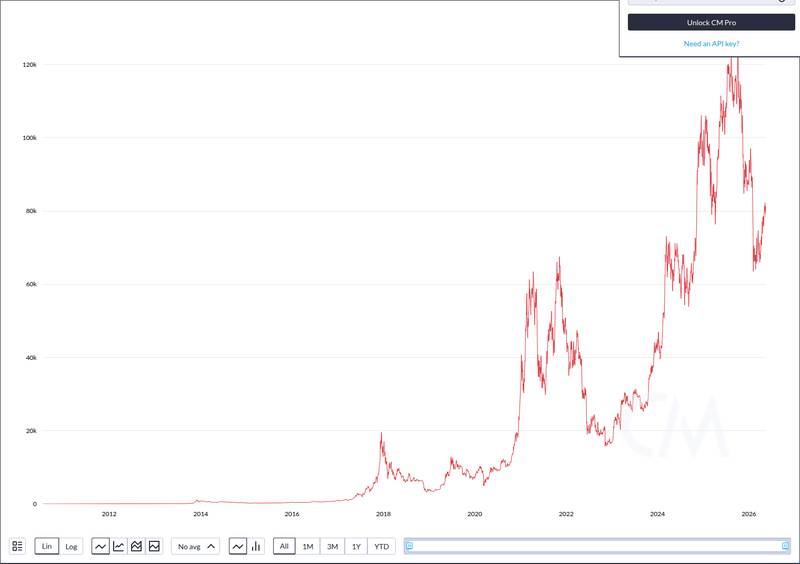
Bitcoin traded near $78,131 at the time of the raid, with the Fear and Greed Index reading 27, indicating a “Fear” environment. The subdued market sentiment has not slowed enforcement activity, suggesting Thai authorities view power theft as a criminal matter independent of crypto market conditions.
For operators in Southeast Asia, the message from PEA is direct: unlicensed mining tied to electricity theft will face coordinated law enforcement action, and the agency is building institutional capacity to identify and prosecute these cases systematically.
Disclaimer: This article is for informational purposes only and does not constitute financial or investment advice. Cryptocurrency and digital asset markets carry significant risk. Always do your own research before making decisions.