
XRP or Bitcoin? Which Asset Could Deliver Higher 2026 Returns
Bitcoin and XRP are both drawing attention from traders weighing which major crypto asset could deliver the strongest returns in 2026, with each offering a distinct risk and reward profile that appeals to different types of investors.
WHAT TO KNOW
- Bitcoin remains the benchmark asset in crypto, offering stronger institutional backing and deeper liquidity, but its sheer size may limit percentage upside relative to smaller tokens.
- XRP carries higher volatility, which means it could outperform Bitcoin in percentage terms during a bullish cycle, though the risk of sharper drawdowns is also greater.
The comparison is not about declaring a winner. It is about understanding two fundamentally different bets: one anchored in scale and institutional credibility, the other in speculative upside and higher beta exposure to market rallies.
Bitcoin’s position as the default benchmark for 2026 upside
Bitcoin is the reference asset most investors use when measuring broader crypto performance. Its market capitalization dwarfs every other digital asset, and its liquidity across spot and derivatives markets makes it the most accessible entry point for institutional capital.
That institutional anchoring is a double-edged sword. Scale and liquidity reduce downside volatility, but they also compress percentage gains. A 50% move in Bitcoin requires hundreds of billions in new capital, while the same percentage move in a smaller asset like XRP requires a fraction of that inflow.
For investors prioritizing risk-adjusted returns, Bitcoin’s deeper market structure and broader regulatory clarity, outlined in the original Bitcoin whitepaper, make it the steadier position. Recent developments in institutional DeFi vault infrastructure also suggest that large allocators are building longer-term frameworks around Bitcoin as a base asset.
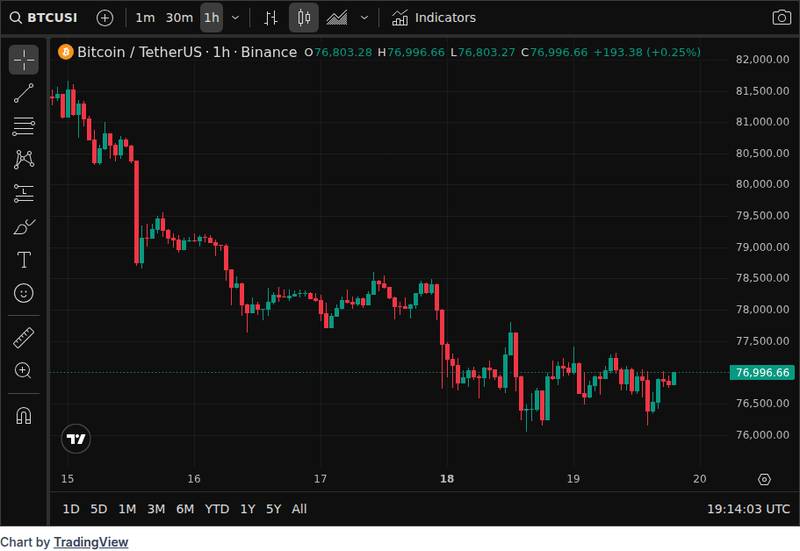
Network activity on Bitcoin’s mempool provides a real-time view of transaction demand and fee pressure, both of which reflect how actively the network is being used heading into the second half of the year.
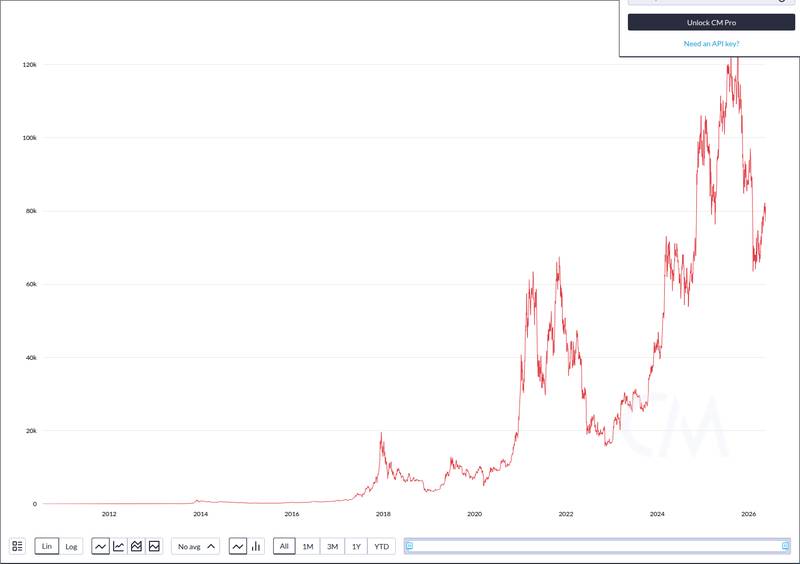
Being the safest large-cap crypto trade, however, does not automatically translate into the highest percentage gains. Investors expecting outsized returns often look beyond Bitcoin to altcoins with more room to run.
What could help XRP outperform Bitcoin in percentage terms
XRP enters the comparison as the higher-beta alternative. In past bullish cycles, altcoins with strong retail followings have frequently outpaced Bitcoin in percentage terms once broader market sentiment turns positive.
That dynamic is the core of the XRP bull case: if crypto markets rally broadly in 2026, XRP’s smaller market capitalization means it requires less incremental capital to produce a larger percentage move. Traders who positioned early in XRP-focused yield vault products are already signaling confidence in the token’s medium-term trajectory.
The risk side of that equation is equally important. XRP’s higher volatility means drawdowns can be steeper and faster than Bitcoin’s. During market corrections, lower-liquidity altcoins tend to lose more ground and recover more slowly.
For traders comfortable with that volatility, XRP represents the asymmetric upside play. For those prioritizing capital preservation alongside growth, Bitcoin remains the more credible position. The distinction between “best asymmetric upside” and “best risk-adjusted bet” is the core decision facing investors weighing these two assets for 2026.
Monitoring tools like the Arkham Intelligence explorer can help traders track large wallet movements across both assets, offering early signals about whether institutional flows are favoring one over the other. Broader on-chain intelligence, including the kind of wallet cluster analysis emerging from platforms like Bubblemaps, adds another layer of visibility into how capital is positioning ahead of potential moves.
Disclaimer: This article is for informational purposes only and does not constitute financial or investment advice. Cryptocurrency and digital asset markets carry significant risk. Always do your own research before making decisions.