



Learn about best bitcoin lightning wallet for merchants with practical self-custody walkthroughs, security controls, and step-by-step guidance.
BTCPay Server best fits merchants wanting self-hosted invoices and direct custody; OpenNode and IBEX Pay simplify managed acceptance. Voltage outsources node infrastructure, while Lightspark targets enterprise integrations.
A merchant setup must generate unique invoices, detect settlement, reconcile orders, process refunds, and sweep revenue into a separate treasury wallet. Launch with a capped balance, test failed and duplicate payments, and verify withdrawal rules before placing the system in a production checkout.
Related guides: Bitcoin Hardware Wallet Security Comparison: Signing and Recovery Workflows, Bitcoin Hardware Wallet Backup and Recovery: How to Test and Restore Safely, and Why Bitcoin-Only Payment Gateways Are No Longer Enough in 2026
7 Best Bitcoin Lightning Network Wallets (2026 Updated)
| Project | Merchant model | Best fit | Operational item to verify |
|---|---|---|---|
| BTCPay Server | Self-hosted payment server | Merchants controlling checkout and settlement | Node, backup, invoice, and refund ownership |
| OpenNode | Hosted Bitcoin payment processor | Teams prioritizing fast API onboarding | Withdrawal, fee, and account controls |
| Strike | Business payment account | Merchants needing guided fiat/Bitcoin settlement | Availability and settlement rules by market |
| CoinCorner | Hosted merchant service | Smaller merchants in supported regions | Currency conversion and withdrawal path |
| Voltage | Managed Lightning infrastructure | Technical teams outsourcing node operations | Liquidity, uptime, and key boundary |
| IBEX Pay | Managed Lightning merchant payments | Retailers seeking hosted acceptance | Verify settlement, region, and account requirements |
| Lightspark | Enterprise Lightning platform | Larger payment and treasury integrations | Contract, custody, and routing responsibilities |
Merchant platform profiles
BTCPay Server
BTCPay Server is a self-hosted, open-source payment processor for Bitcoin and Lightning invoices. It provides checkout pages, point-of-sale tools, store integrations, webhooks, refunds, and direct wallet settlement without a processor fee, while leaving node uptime, channel liquidity, backups, and updates with the merchant.
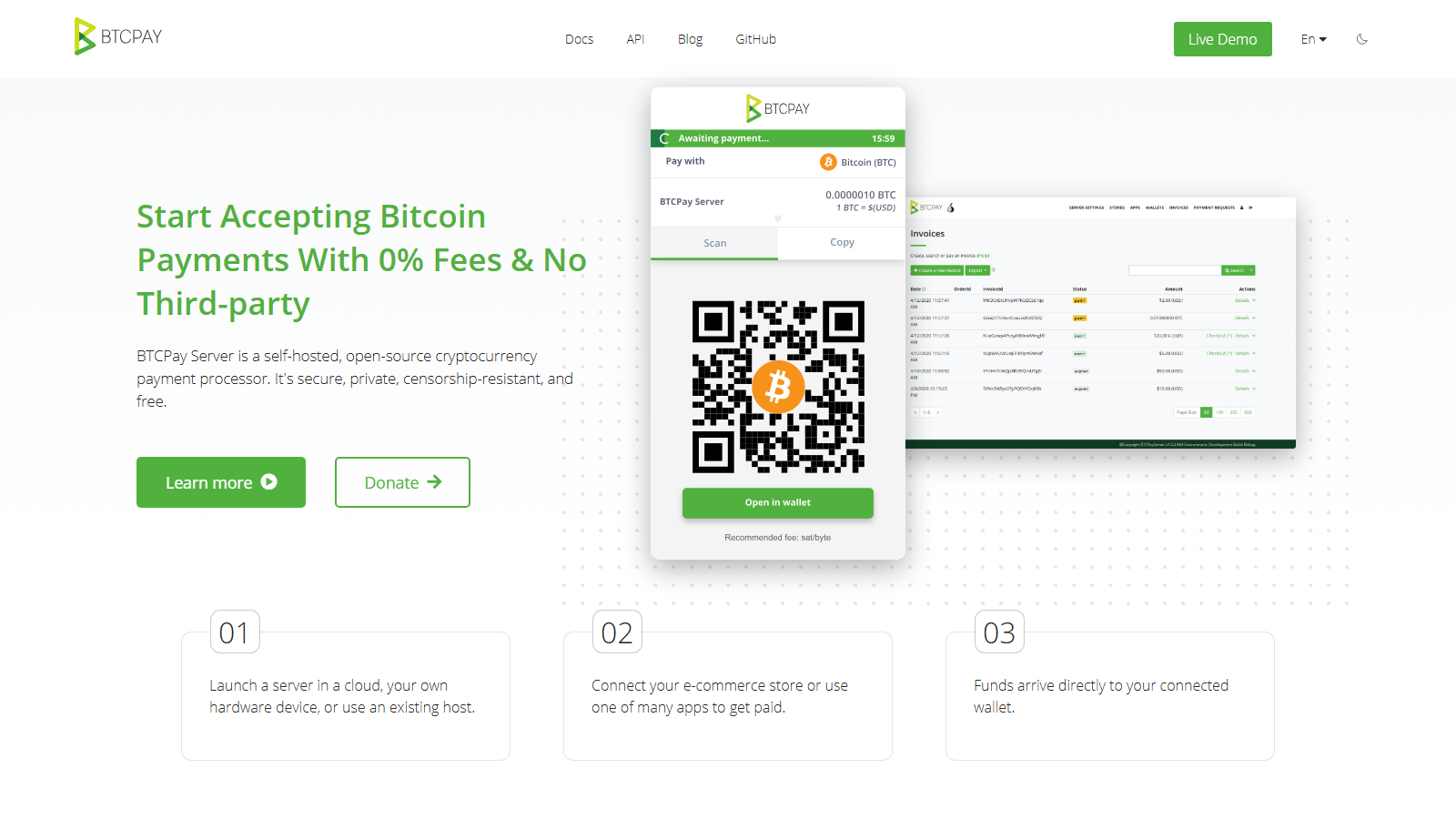
BTCPay Server gives the merchant direct control but transfers deployment and monitoring work to the operator. A small-business owner said it let them control the checkout without relying on third parties, while noting that setup was still required, in an October 2019 merchant thread. It fits a business that can own backups, upgrades, and outage response.
BTCPay Server is the best fit when a merchant can assign an operator to own uptime, backups, liquidity, and upgrades. A pilot should process paid, expired, underpaid, overpaid, refunded, and duplicate invoices before the checkout is connected to automatic order fulfillment.
OpenNode
OpenNode is a hosted Bitcoin payment processor that supplies invoices, checkout, APIs, payment links, and automatic settlement options. It removes node and channel administration and can support Bitcoin or fiat-denominated merchant flows, but onboarding, custody windows, withdrawal thresholds, jurisdiction, and account review remain provider-controlled.
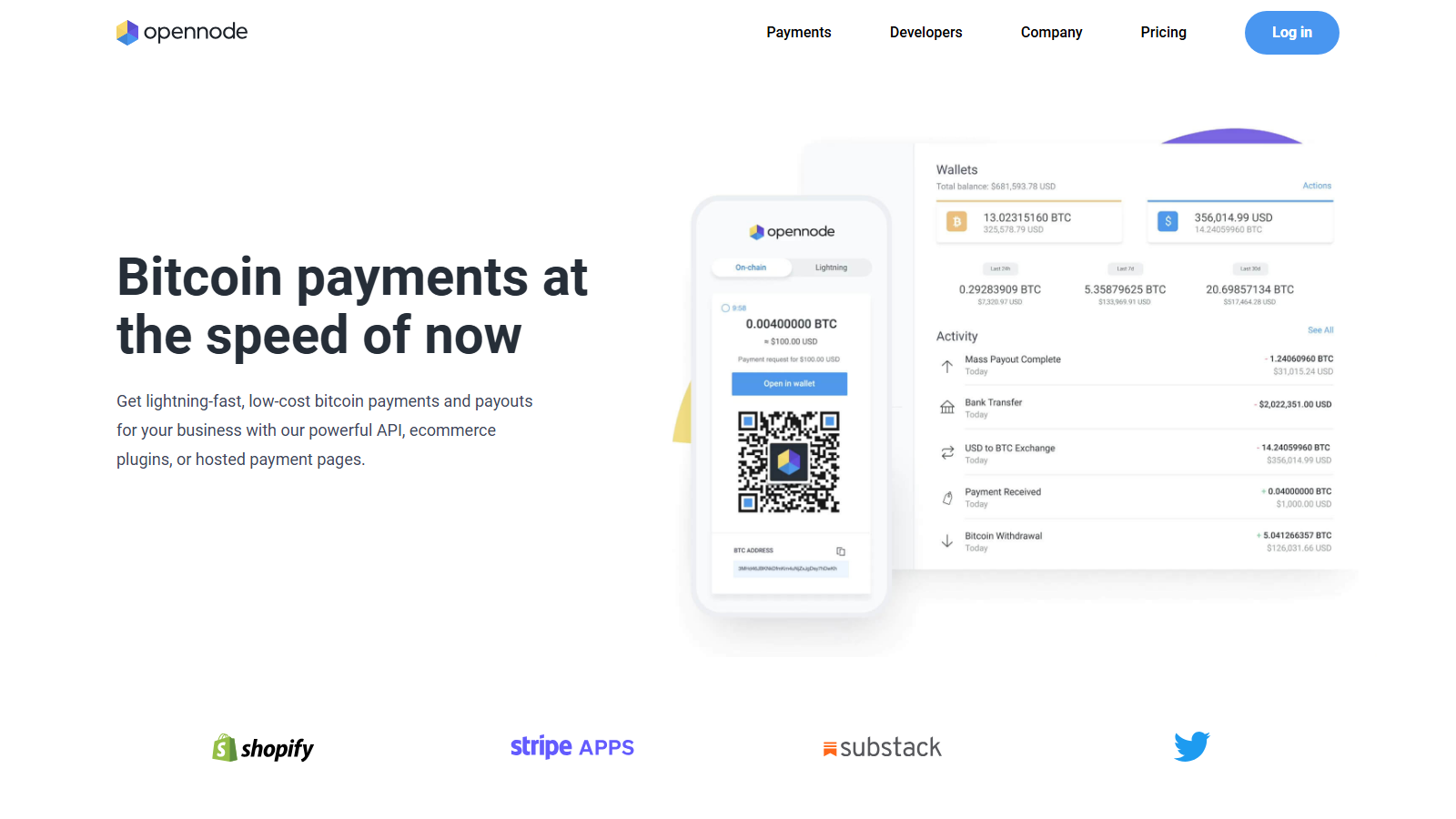
OpenNode is the quicker hosted route when KYC and processor custody are acceptable. A merchant reported in a May 2026 Trustpilot review that both on-chain and Lightning checkout worked, but also highlighted KYC and a 200,000-sat on-chain withdrawal minimum. Those account constraints belong in the pilot test alongside fees and settlement speed.
OpenNode suits teams that need a hosted API and faster deployment more than infrastructure sovereignty. Approve it only after completing business verification, receiving both payment types, withdrawing the exact settlement asset, reconciling fees, and confirming how a frozen or reviewed account affects customer orders.
Strike
Strike offers consumer and business payment accounts that can send or receive over Bitcoin and Lightning while presenting local-currency balances in supported markets. Its merchant value comes from fast invoice payment and conversion, although availability, identity checks, settlement currencies, API access, and withdrawal rules vary by region.
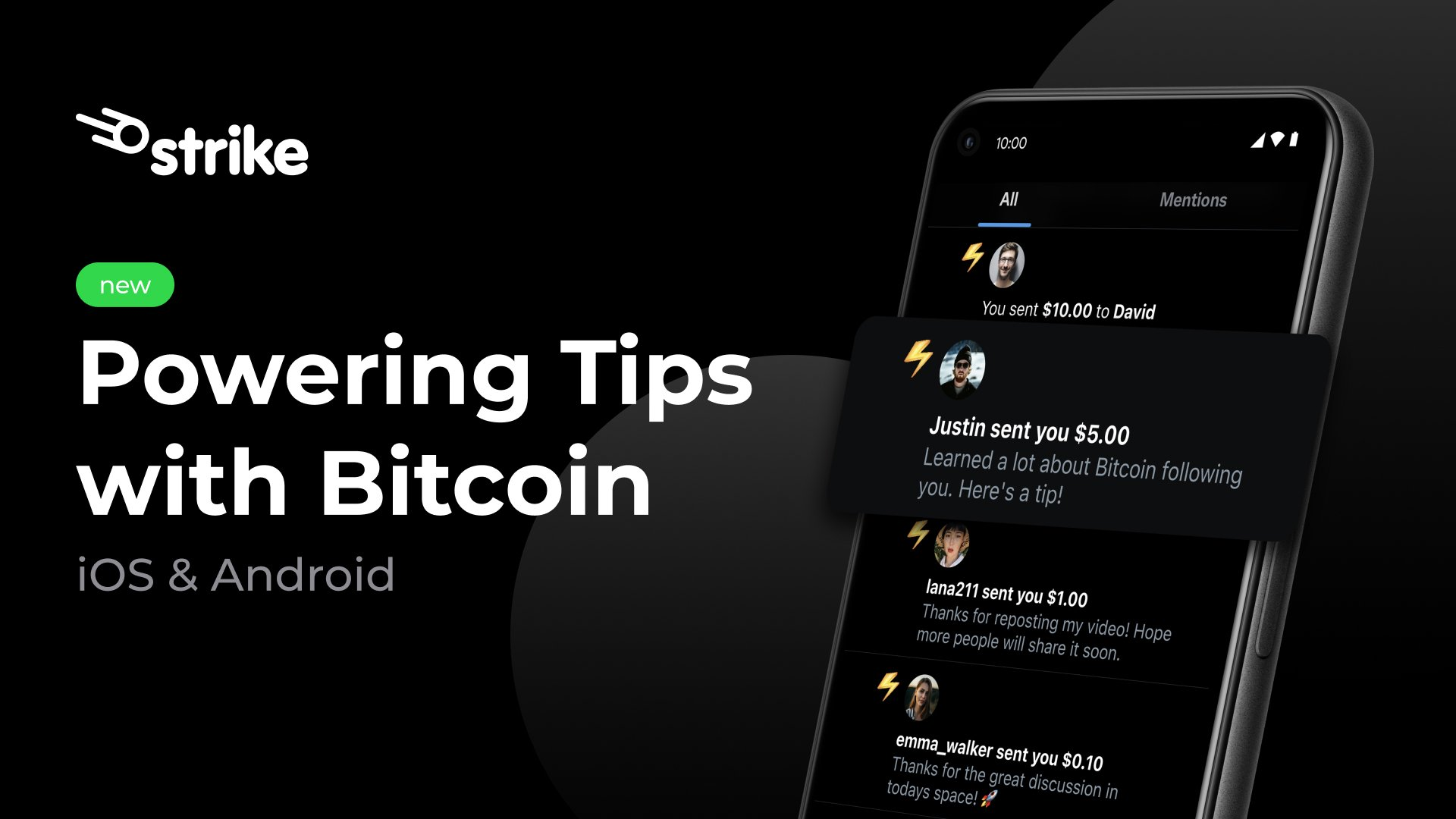
Strike is easiest to evaluate as a regional business account rather than a universal payment processor. In a December 2025 BTCPay checkout discussion, a customer could pay a Bitcoin invoice directly from Strike but encountered identity verification during onboarding. Merchants must confirm market availability, customer payment flow, and fiat settlement rules before advertising it.
Strike is useful when its supported business account matches the merchant’s country and desired settlement currency. It is not a universal gateway substitute; test customer invoice payment, fiat conversion, payout timing, refund handling, permissions, and compliance review using the actual legal entity.
CoinCorner
CoinCorner provides Bitcoin checkout and merchant services oriented toward supported European markets. Payment links, Lightning acceptance, point-of-sale options, and conversion can reduce cashier friction, while the hosted account introduces banking, verification, settlement, and withdrawal dependencies that must be tested with the merchant’s legal entity.
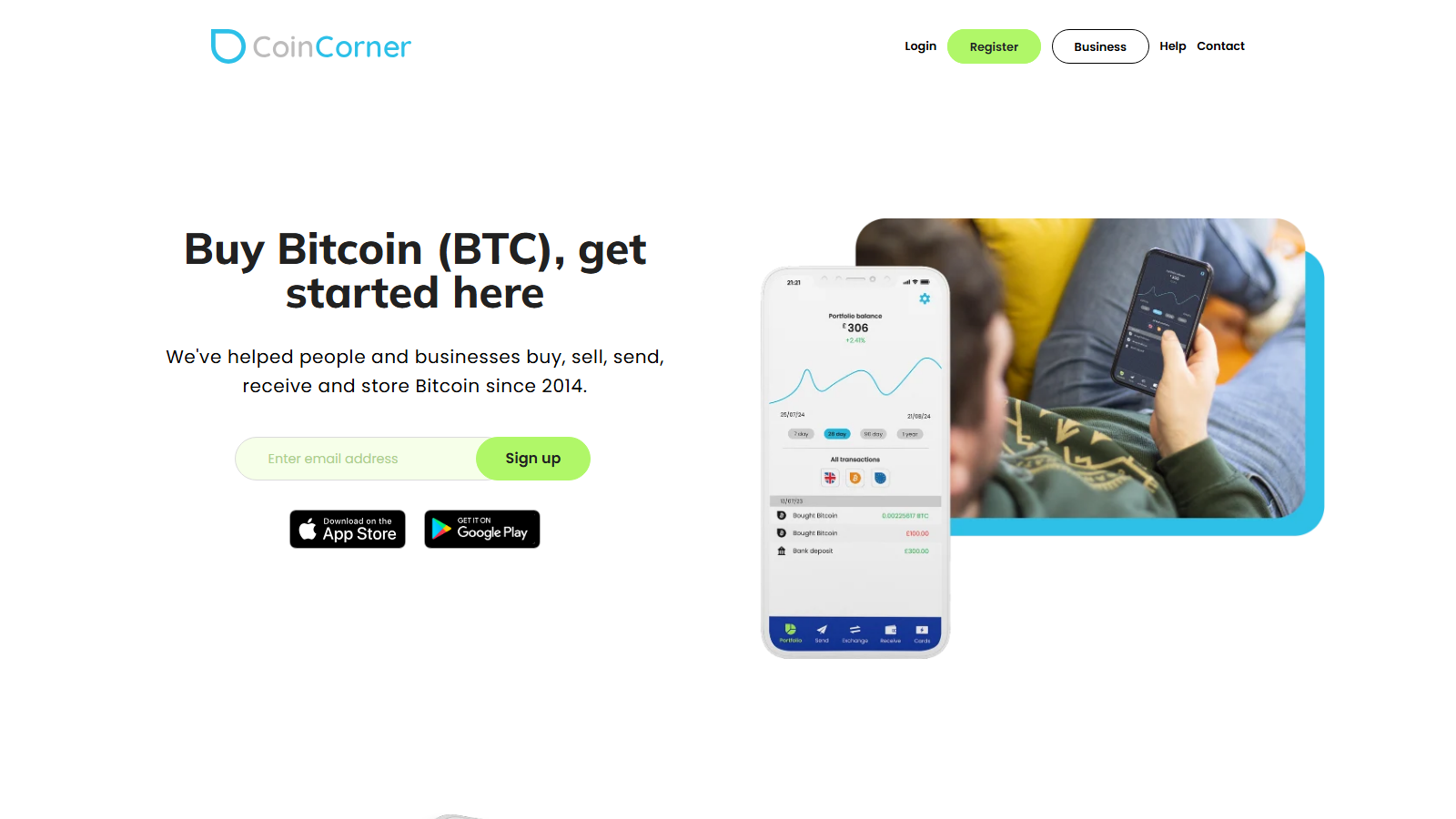
CoinCorner is relevant to smaller merchants in its supported markets, especially when conversion is part of the service. User reports on its Trustpilot profile are mixed around account checks and support, so the merchant test should include a real withdrawal and a documented response path rather than stopping after account approval. Region and banking access may decide the fit before wallet features do.
CoinCorner fits a smaller merchant operating inside its banking and regional footprint. The deciding evidence is a complete cash-flow loop from invoice to bank or Bitcoin withdrawal, including conversion spread, support escalation, account limits, refunds, and the treatment of payments received outside business hours.
Voltage
Voltage supplies managed Bitcoin and Lightning infrastructure rather than a finished cashier account. Merchants can deploy hosted nodes, liquidity services, payment endpoints, and BTCPay Server environments without maintaining the base server, while still controlling wallet policy, channels, application integration, monitoring, and treasury transfers.

Voltage removes server administration while leaving the merchant responsible for liquidity and configuration. A user considering hosted Lightning noted a quoted cost of about $30 per month and the need to obtain inbound capacity in an October 2021 processor discussion. Compare that fixed operating cost with expected payment volume and downtime tolerance.
Voltage is appropriate for a merchant that wants managed infrastructure while retaining control of its Lightning application and treasury. Compare the monthly platform cost with expected volume, then test node restoration, liquidity procurement, monitoring alerts, BTCPay integration, and outage ownership before production.
IBEX Pay
IBEX Pay is a Lightning merchant checkout platform designed for retail staff and customer-facing payment flows. It focuses on invoice creation, point-of-sale operation, settlement, and merchant reporting, reducing infrastructure work but making country coverage, conversion terms, refunds, account permissions, and payout rails central buying criteria.
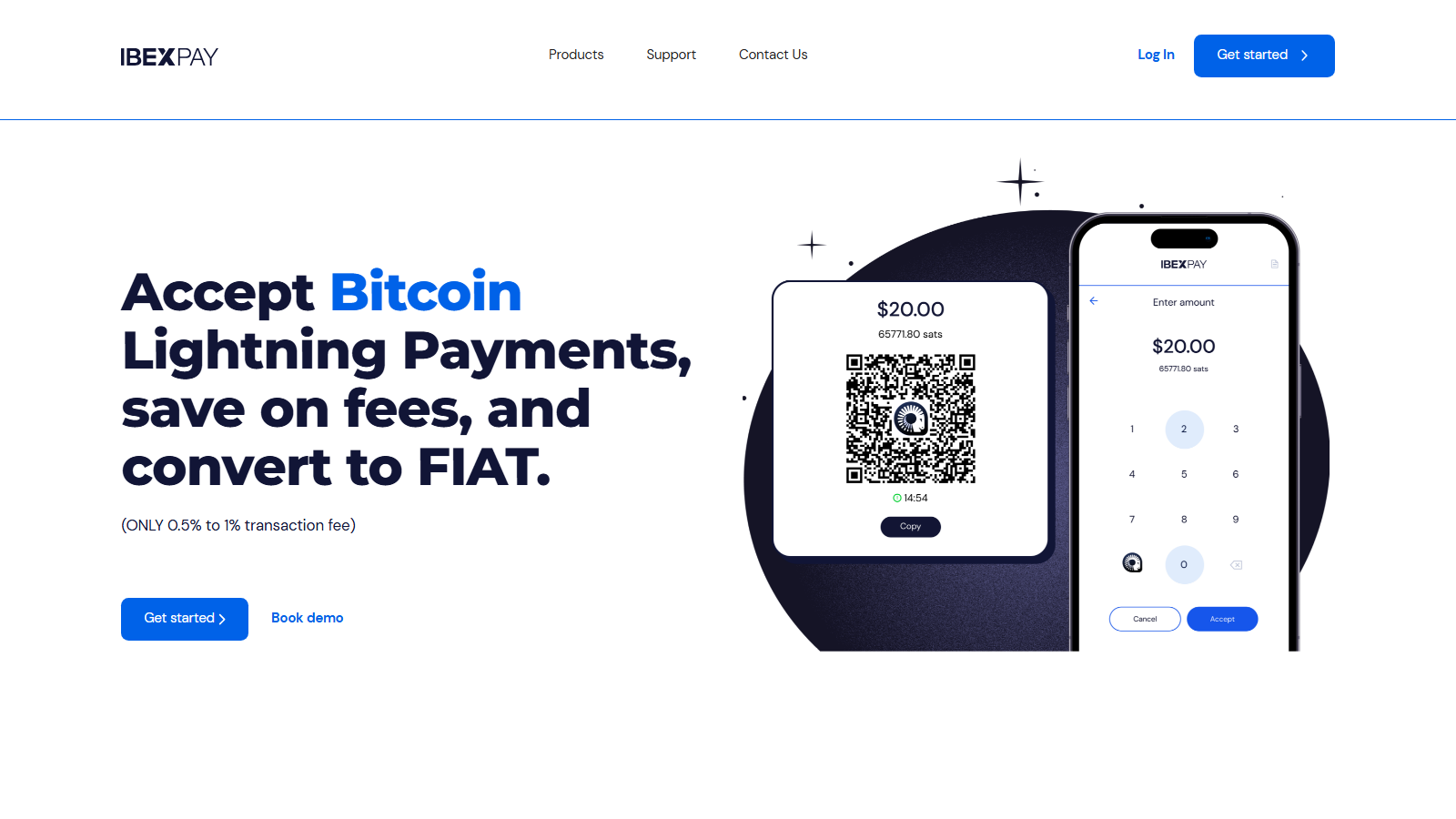
IBEX Pay targets staff-operated retail checkout. In a February 2026 small-business thread, a contributor who sets up merchant systems said IBEX’s Bitcoin-only service was simple enough for staff, while positioning BTCPay as more complex for a physical store. The claim is a community signal, so verify training, settlement currency, refunds, and country support in a live pilot.
IBEX Pay fits physical retail where staff need a constrained payment interface and management needs settlement reporting. Run the pilot across cashier permissions, invoice expiry, tips, refunds, connectivity loss, currency conversion, and end-of-day reconciliation rather than judging it from a successful demonstration payment.
Lightspark
Lightspark is enterprise Lightning infrastructure delivered through APIs, SDKs, managed routing, liquidity, and payment orchestration. It targets platforms embedding real-time payments rather than individual shops seeking a standalone wallet, so implementation effort centers on authentication, ledger reconciliation, compliance, availability, and integration with existing checkout systems.

Lightspark is the enterprise integration in this group, not a plug-and-play cashier wallet. The clearest public operator signal is a July 2025 developer request specifying invoice creation, real-time status, withdrawals, and one POS integration for an initial 50 merchants. Because it is not a completed deployment review, treat performance and support as unverified until a contracted proof of concept passes.
Lightspark belongs on an enterprise shortlist when payments must be embedded into an existing ledger or platform. Selection requires technical and compliance review of API authentication, routing, liquidity, webhooks, reconciliation, regional coverage, service levels, and failure recovery; it is excessive for a standalone small-shop checkout.
Use any hosted option for a controlled pilot, not as a substitute for a treasury plan. A production checkout needs a unique invoice ID, settled status, refund path, operator owner, and sweep rule before accepting meaningful revenue.
Inbound liquidity is the merchant constraint
Merchants need inbound liquidity because customers are sending funds to the merchant. The BTCPay Lightning FAQ explains that merchants need incoming channels and that other participants or liquidity providers can help create capacity. A merchant who opens a channel only for outgoing payments may still be unable to accept a larger customer invoice.
Liquidity should be planned from payment direction and average order size. A store that receives many small payments can use a different channel policy from a service that receives a few large invoices. Track the balance as payments arrive, estimate the remaining receive capacity, and compare it with reported Lightning capacity before the checkout begins failing.
An LSP can provide inbound capacity, but it charges for the service and the channel-opening transaction still has a Bitcoin network cost. Record that cost separately from customer payment fees. A merchant should know whether the provider takes a fee from the received amount, charges the business account, or embeds it in a quoted rate.
Invoices, refunds, and settlement
Every invoice should have an order reference, amount, expiry, and settlement state. Do not mark an order paid because a customer shows a screenshot. Verify settlement through the wallet or payment server that controls the invoice. The invoice record should remain available long enough to support customer service, accounting, and refunds.
Refunds need a different workflow from payments. A Lightning invoice identifies a request to pay the merchant; it does not automatically tell the merchant where to send a refund. The customer should provide a current invoice or another agreed destination, and the business should record who approved the refund and which order it relates to.
If the merchant converts BTC to fiat or another asset, record the conversion time, rate, fee, and resulting amount. If the business holds BTC, define the treasury and withdrawal policy before the first customer payment. Otherwise the wallet can accumulate value without an approved control over who may move it.
Uptime and outage planning
A merchant wallet is part of the checkout system. A node that is offline, a database that cannot be restored, or an expired invoice can interrupt sales even if the Bitcoin network is functioning normally. Monitor the payment server, node connectivity, channel health, storage, backup age, and the wider wallet security maintenance record.
The business should have an alternate payment path because a Lightning infrastructure incident can leave the checkout unavailable while on-chain Bitcoin still works. The fallback may be another Lightning endpoint or a temporary card or bank method, and it should be documented in the checkout and customer-support process. A merchant should not improvise a refund or ask customers to resend payments because the operator cannot see the original invoice status.
A merchant launch checklist
- Choose a custody model and document the key holder.
- Create unique invoices and verify settlement states.
- Test a small customer payment and a refund.
- Confirm inbound liquidity for the largest expected order.
- Record routing, channel, service, and conversion fees.
- Set a wallet balance limit and withdrawal schedule.
- Test a node, database, and backup restore.
- Monitor payment failures and channel capacity.
- Define who may approve withdrawals and refunds.
- Keep an alternate payment path for outages.
Storefront integration and operator access
The payment wallet should not be the only place where an order exists. The storefront needs an invoice ID, amount, currency conversion rate if used, expiry, and settlement callback. The accounting system should receive a durable record that can be reconciled even when the wallet interface is temporarily unavailable.
Access should be separated by role. A staff member may create an invoice or view settlement status without being able to withdraw the merchant’s reserve. A finance operator may approve a withdrawal but not alter checkout code. A technical operator may maintain the node without having unilateral control over treasury funds. These boundaries are easier to create in a self-hosted stack, but they should also be documented when a provider is used.
Before launch, run three tests: create an unpaid invoice and let it expire, pay an invoice and confirm the correct order settles, then create a refund and confirm it is not recorded as a second sale. These tests catch more operational failures than scanning one QR code.
A merchant wallet earns its place in settlement
For a business, the winning wallet is the one that connects invoice creation, payment status, refund handling, accounting, and treasury sweeps. A fast checkout without reliable reconciliation is not a complete merchant system.
Frequently asked questions
Does a merchant need a direct channel to every customer?
No. Payments can route through the network. The merchant needs enough inbound liquidity and suitable connectivity, not a direct channel to every buyer.
Is a custodial Lightning wallet acceptable for a small business?
It can be acceptable for a limited pilot if the balance is controlled and withdrawals are tested. The business should understand the provider dependency and avoid treating it as long-term custody.
How often should a merchant withdraw Lightning revenue?
There is no universal schedule. Set one based on order volume, balance limits, on-chain fees, treasury policy, and operational risk. The schedule should be written before the wallet accumulates meaningful value.
Can the same wallet handle customer payments and savings?
It can, but separating payment liquidity from long-term storage simplifies accounting, access control, and incident response. Use a tested on-chain custody setup for reserves.
Disclaimer: This article is for informational purposes only and does not constitute financial or investment advice. Cryptocurrency and digital asset markets carry significant risk. Always do your own research before making decisions.
