



Learn about best bitcoin ordinals and runes wallets with practical self-custody walkthroughs, security controls, and step-by-step guidance.
Xverse is the most accessible consumer option for holding and transferring Bitcoin Ordinals and Runes, while the Ord wallet provides the clearest control for users running Bitcoin Core. UniSat, Leather, Magic Eden Wallet, OKX Wallet, Phantom, Oyl, FoxWallet, and Wizz differ mainly in asset visibility, marketplace access, and UTXO controls.
The wallet must identify inscription-bearing outputs before signing and prevent ordinary BTC spending from consuming them accidentally. Keep collectibles separate from routine funds, verify the exact outpoint and destination, and complete a low-value transfer before moving a valuable inscription or Rune balance.
Related guides: Best Bitcoin Multisig Wallets in 2026, Best Bitcoin Hardware Wallets in 2026, and Why Bitcoin-Only Payment Gateways Are No Longer Enough in 2026
Top 5 Best Ordinals Wallets For Bitcoin NFTs In 2026
| Wallet | Primary role | Asset control to verify |
|---|---|---|
| Xverse | Consumer Ordinals and Runes wallet | Asset-bearing UTXO remains protected during BTC sends |
| Leather | Bitcoin ecosystem browser wallet | Address/account separation and transfer preview |
| UniSat | Ordinals and Runes wallet with marketplace integration | UTXO selection and token transfer construction |
| Magic Eden Wallet | Marketplace-oriented wallet | Listing, transfer, and recovery boundaries |
| OKX Wallet | Multi-chain wallet with Bitcoin assets | Bitcoin account separation from other networks |
| Phantom | Multi-chain consumer wallet | Current Ordinals support and destination preview |
| Oyl Wallet | Bitcoin metaprotocol wallet | Taproot/SegWit separation and Runes handling |
| FoxWallet | Multi-chain wallet with Bitcoin support | Verify current Ordinals, Runes, and UTXO controls before use |
| Wizz Wallet | Ordinals, Atomicals, and Runes wallet | Protocol-specific send and backup flow |
| Ord wallet | Command-line reference workflow | Direct outpoint and inscription control through a node |
Ordinals and Runes wallet profiles
Xverse
Xverse is a consumer Bitcoin wallet for BTC, Ordinals, Runes, BRC-20 assets, and Stacks activity. It separates payment and collectible workflows, integrates marketplace access and hardware signing, and presents inscriptions visually, but users still need to verify the selected address and UTXOs before each transfer.
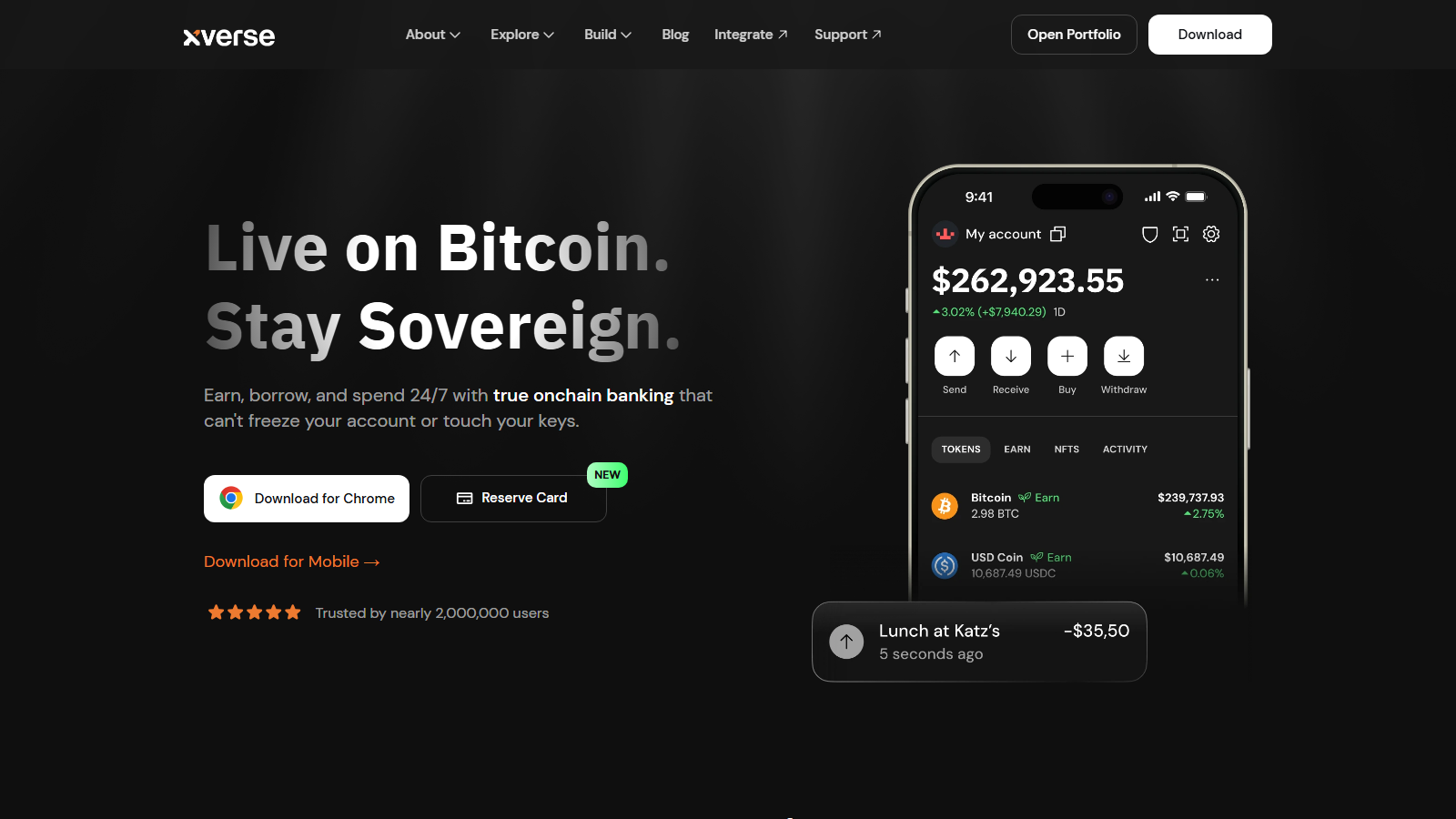
Xverse is the most established consumer choice in this lineup. A collector who had used it since Ordinals launched called it their go-to wallet in a February 2025 comparison. Another user reported delayed asset display, so verify the outpoint independently before assuming an absent thumbnail means a failed transfer.
Xverse best serves collectors wanting a polished Bitcoin asset interface without running an indexer. Before choosing it, create separate payment and collectible accounts, restore them on a second device, receive a low-value inscription, and verify that an ordinary BTC spend excludes the asset-bearing output.
Leather
Leather is a Bitcoin and Stacks wallet available as a browser extension and desktop application. It supports BTC, Ordinals, BRC-20 assets, hardware wallets, account separation, and marketplace connections, giving users a clearer split between payment addresses and collectible addresses than a generic multi-chain wallet.
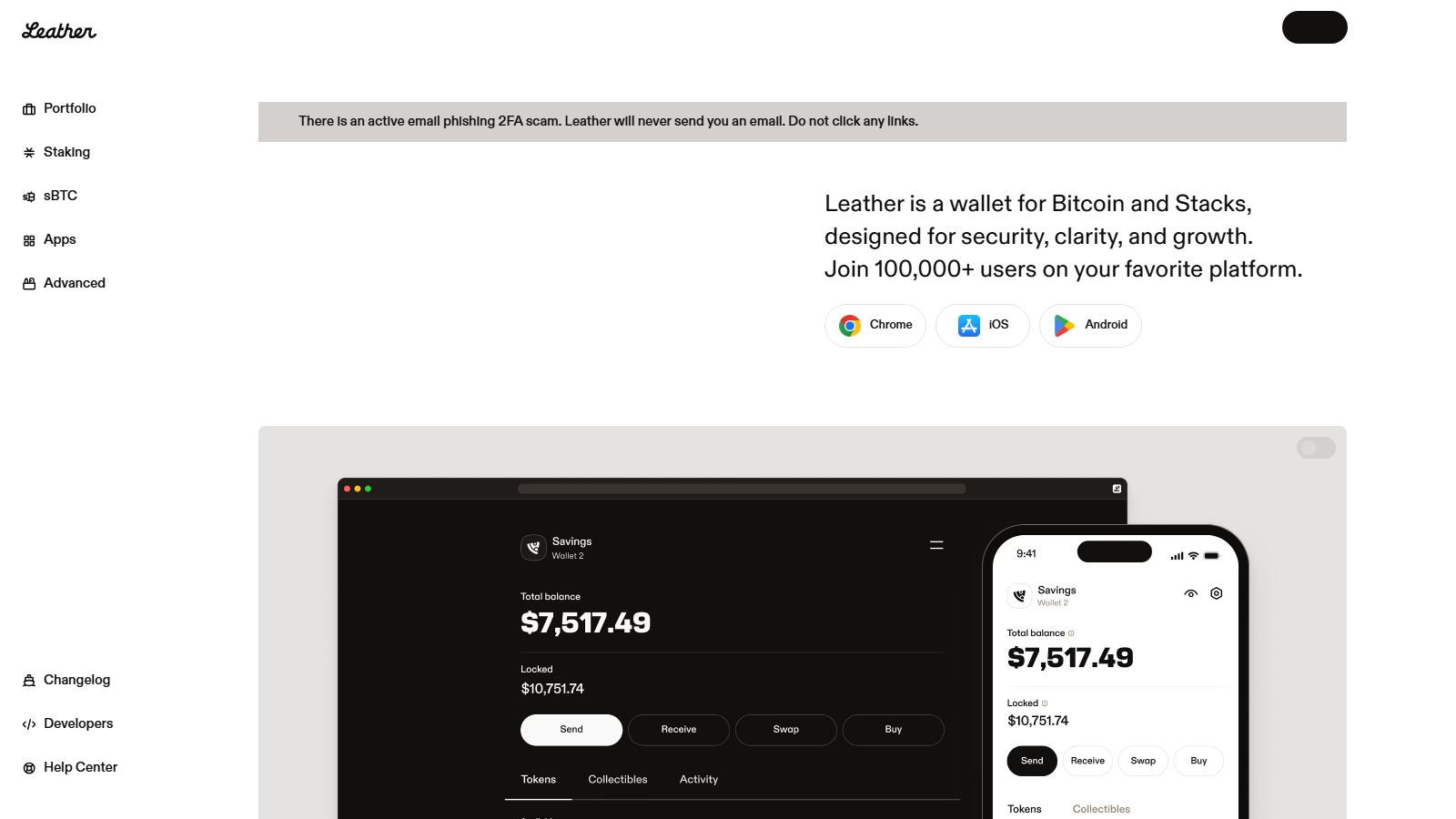
Leather makes payment and Ordinals addresses visibly distinct. A user importing Leather into Xverse found that the inscription address matched while the BTC balance did not because the wallets exposed different address formats in a January 2024 recovery report. Record the derivation and address type before migrating a seed.
Leather fits users who combine Bitcoin collectibles with Stacks activity and value visible address separation. The migration test matters most: export and restore the seed, identify every derived Bitcoin address type, connect a hardware signer if used, and confirm balances without relying on one wallet’s gallery.
UniSat
UniSat combines a browser wallet with Ordinals, BRC-20, Runes, marketplace, inscription, and UTXO-management tools. Its protocol depth suits active collectors and traders, while seed export, address derivation, fee selection, and asset-bearing output control require more attention than a basic Bitcoin receive-and-send app.
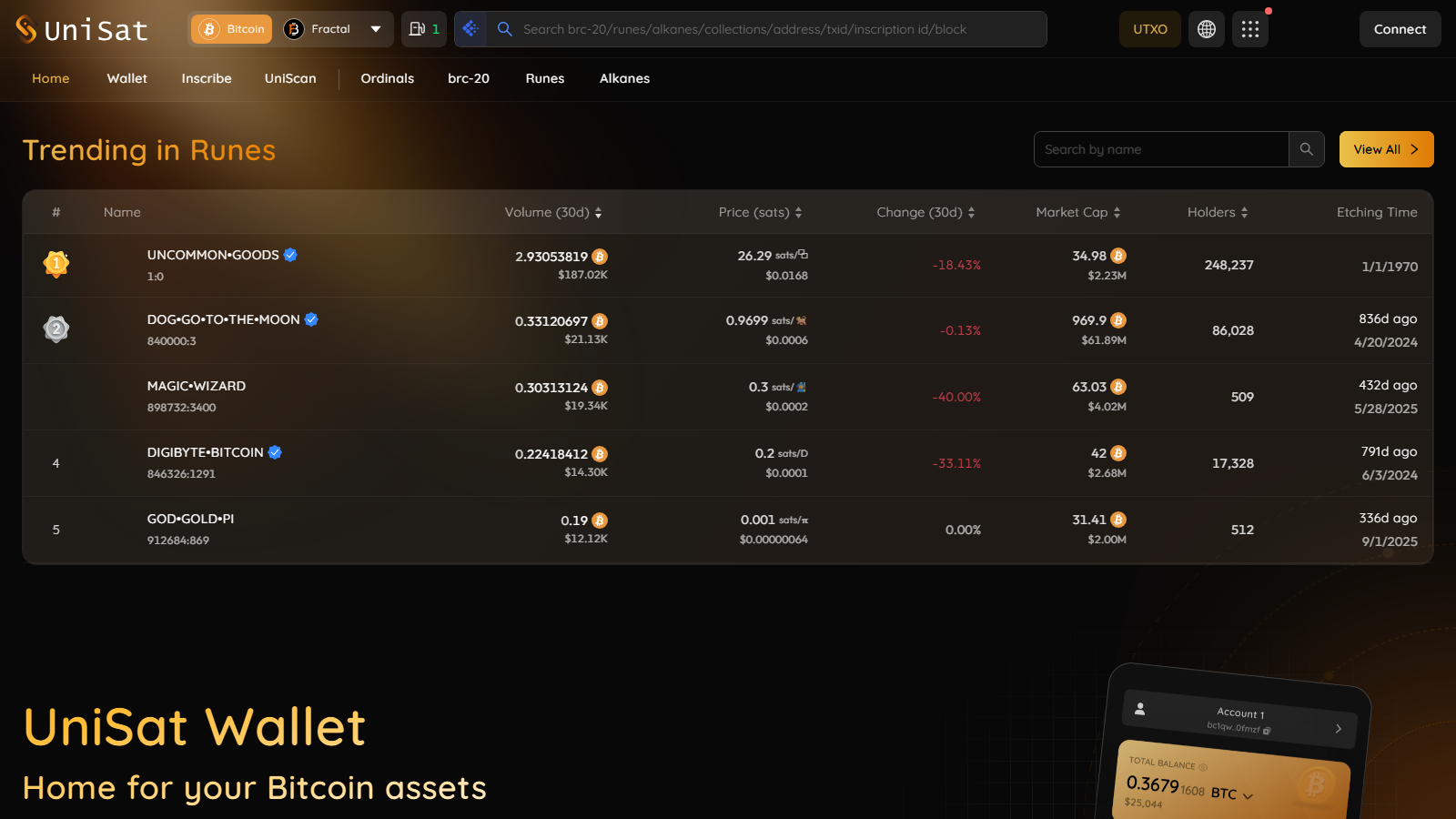
UniSat offers strong protocol and marketplace tooling but can be less obvious during recovery. In a July 2023 support thread, multiple users struggled to locate the seed export until another owner documented the menu path. Confirm both backup access and the address derived after restoration before depositing a valuable asset.
UniSat is strongest for active BRC-20, Runes, and inscription users who need protocol and marketplace tooling. Its wider transaction surface increases signing risk, so inspect inputs, outputs, fees, token allocation, and change on a low-value trade before authorizing a valuable asset transfer.
Magic Eden Wallet
Magic Eden Wallet integrates Bitcoin collectibles with the marketplace’s listing, buying, and signing flow while also supporting other chains. For Ordinals and Runes users, the useful features are asset discovery and transaction preparation; the risk is approving a marketplace transaction without independently reviewing BTC inputs and change.
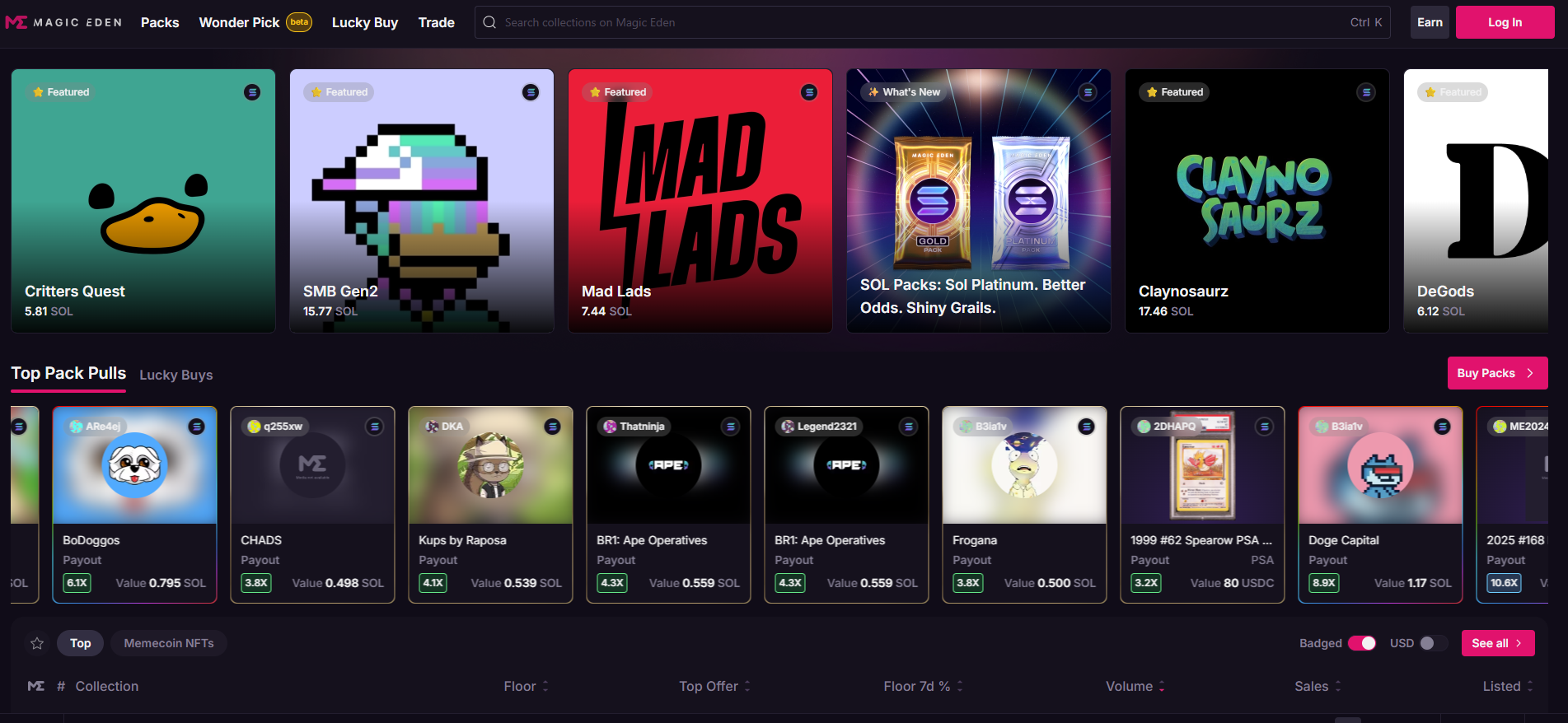
Magic Eden Wallet is convenient for marketplace activity, not a reason to merge collectibles with ordinary BTC. In an April 2024 UTXO-safety discussion, a user reported successful minting but then discovered that BTC and the inscription shared a Taproot address. Separate funding and asset accounts before listing or spending.
Magic Eden Wallet suits frequent marketplace users who accept a wallet closely integrated with the trading venue. Keep acquisition funds separate from stored collectibles, verify the listing and transfer outputs independently, and maintain a recovery route that does not require the marketplace interface to remain available.
OKX Wallet
OKX Wallet is a multi-chain self-custody interface with Bitcoin, Ordinals, Runes, BRC-20 discovery, swaps, and marketplace connections. Its broad asset coverage is convenient for cross-chain users, but the larger interface can obscure Bitcoin address type, fee logic, selected UTXOs, and the boundary between spendable BTC and collectibles.
OKX Wallet brings Ordinals and Runes into a much broader multi-chain interface. The available Reddit evidence is mostly troubleshooting rather than durable ownership reports; a May 2023 receiving thread shows how easily users can confuse spendable BTC with inscription balances across apps. Treat OKX as unverified until its preview identifies the exact Bitcoin inputs and asset output.
OKX Wallet fits a multi-chain user who wants Bitcoin assets beside a broader portfolio, not someone seeking the smallest Bitcoin attack surface. Create a dedicated Bitcoin account, disable unnecessary connections, test asset-bearing UTXO protection, and verify network and address selection before every withdrawal.
Phantom
Phantom extends its familiar multi-chain wallet into Bitcoin accounts and collectible handling. It offers a polished mobile and extension interface, asset previews, marketplace signing, and account management, but wallet theft risks still require Bitcoin users to confirm the exact support for Ordinals or Runes and inspect every marketplace transaction rather than relying on branding.
Phantom is familiar to multi-chain users, but Bitcoin marketplace signing must work independently of that familiarity. A buyer reported that Magic Eden stopped pushing Ordinals signatures to Phantom after earlier successful purchases in a January 2024 incident. Keep a tested export and avoid listing deadlines that depend on one browser integration.
Phantom is reasonable for existing users who want one familiar interface across Solana, Ethereum, and Bitcoin activity. Convenience should not replace Bitcoin-specific verification: test inscription display, marketplace signing, address derivation, hardware-wallet support, and recovery before moving assets from a specialist wallet.
Oyl Wallet
Oyl is a Bitcoin wallet focused on metaprotocol assets and trading workflows, including Ordinals, Runes, and related token activity. Its interface is intended to combine asset discovery, transaction construction, and market access, while backup portability, address separation, UTXO selection, and independent recovery remain the decisive controls.
Oyl focuses on Bitcoin metaprotocols, but Reddit and Trustpilot did not provide a sufficiently attributable first-hand recovery report during this review. That missing evidence is itself a limitation: use the Chrome Web Store feedback only as a discovery signal, then test Taproot/SegWit separation, Runes construction, export, and a restored low-value transfer before relying on it.
Oyl belongs on a metaprotocol-focused shortlist only after its recovery and transaction controls are demonstrated. Use a fresh account, fund it minimally, inspect the exact UTXOs chosen for a Rune or inscription action, restore elsewhere where possible, and record any dependency on Oyl services.
FoxWallet
FoxWallet is a mobile and extension wallet covering Bitcoin alongside numerous other networks and token standards. It provides asset discovery, DApp connections, Ordinals and Runes access, and multi-account management; that breadth makes network selection, permissions, backup scope, and Bitcoin-specific UTXO visibility especially important.
FoxWallet has broad multi-chain reach, but the Reddit results reviewed were dominated by referral promotions rather than owner reports about Ordinals recovery. A November 2022 user post called the wallet simple while promoting a reward, so the evidence is conflicted. Do not count it as validation of UTXO protection; reproduce that function yourself.
FoxWallet is suitable for experimentation across many networks, but its broad scope makes permissions and network confusion the main risks. Isolate Bitcoin assets in a dedicated account, reject referral-driven evidence, test restoration, and confirm that normal BTC spending cannot consume collectible outputs.
Wizz Wallet
Wizz Wallet concentrates on Bitcoin-native assets such as Ordinals, BRC-20 tokens, Runes, and Atomicals. The app and extension emphasize inscription display, token activity, marketplace connections, and address management, but users should verify recovery compatibility and protected-output handling before funding an asset account.
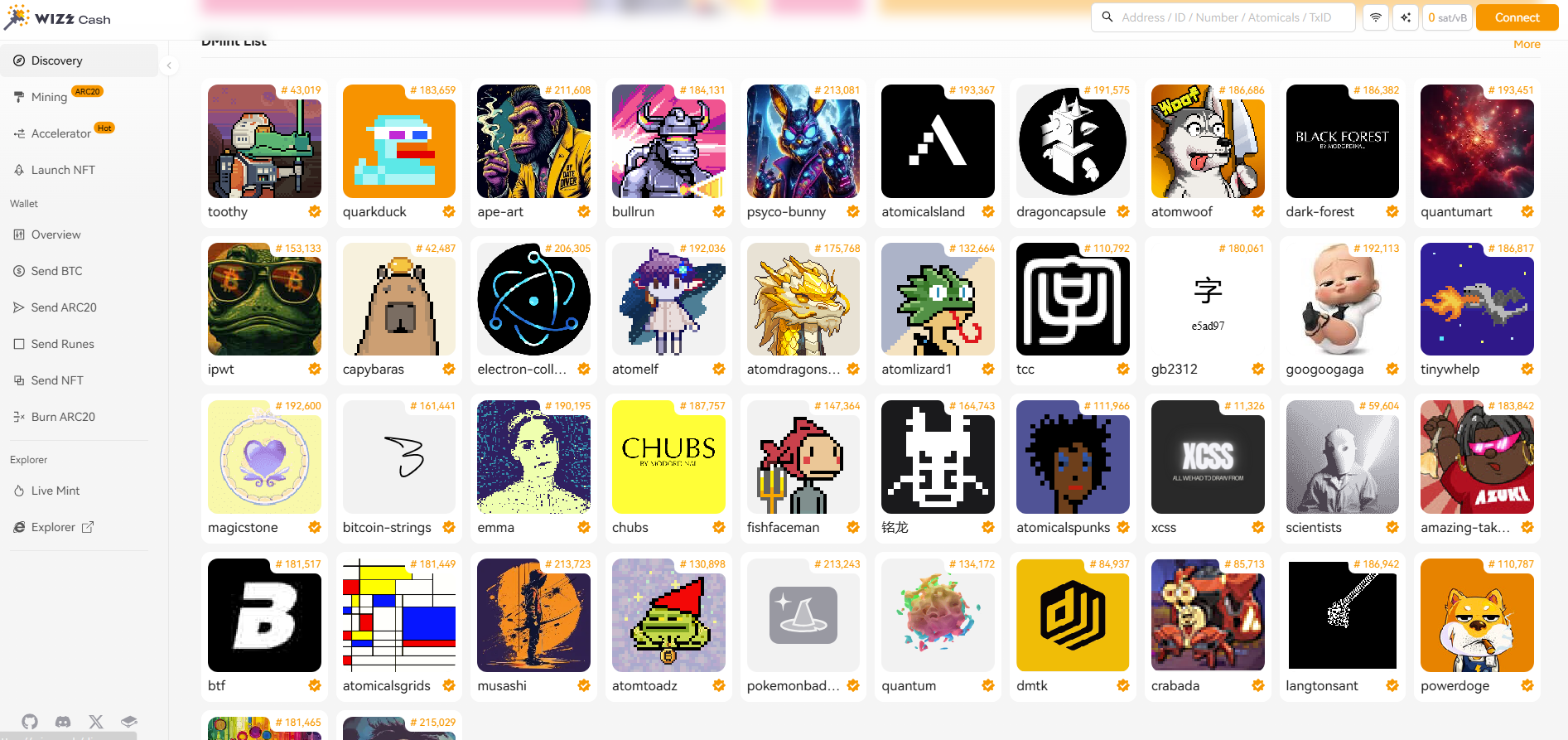
Wizz supports several Bitcoin asset protocols, yet public first-hand evidence remains sparse. Its Google Play listing supplies user feedback but not a reproducible proof that an inscription survives a normal BTC spend. Keep only test assets until the wallet shows protected outpoints, complete transaction inputs, and a successful seed restore.
Wizz is best evaluated by users specifically working with Atomicals, Ordinals, Runes, or BRC-20 assets. Its inclusion depends on a successful low-value mint or transfer, clear address separation, reproducible seed recovery, and a transaction preview that identifies protected outputs before signing.
Ord wallet
The ord wallet is the command-line reference workflow bundled with the ord indexer rather than a consumer browser wallet. It works with Bitcoin Core, indexes inscriptions and runes locally, constructs transactions explicitly, and offers maximum visibility at the cost of synchronization time, storage, command-line operation, and manual backups.
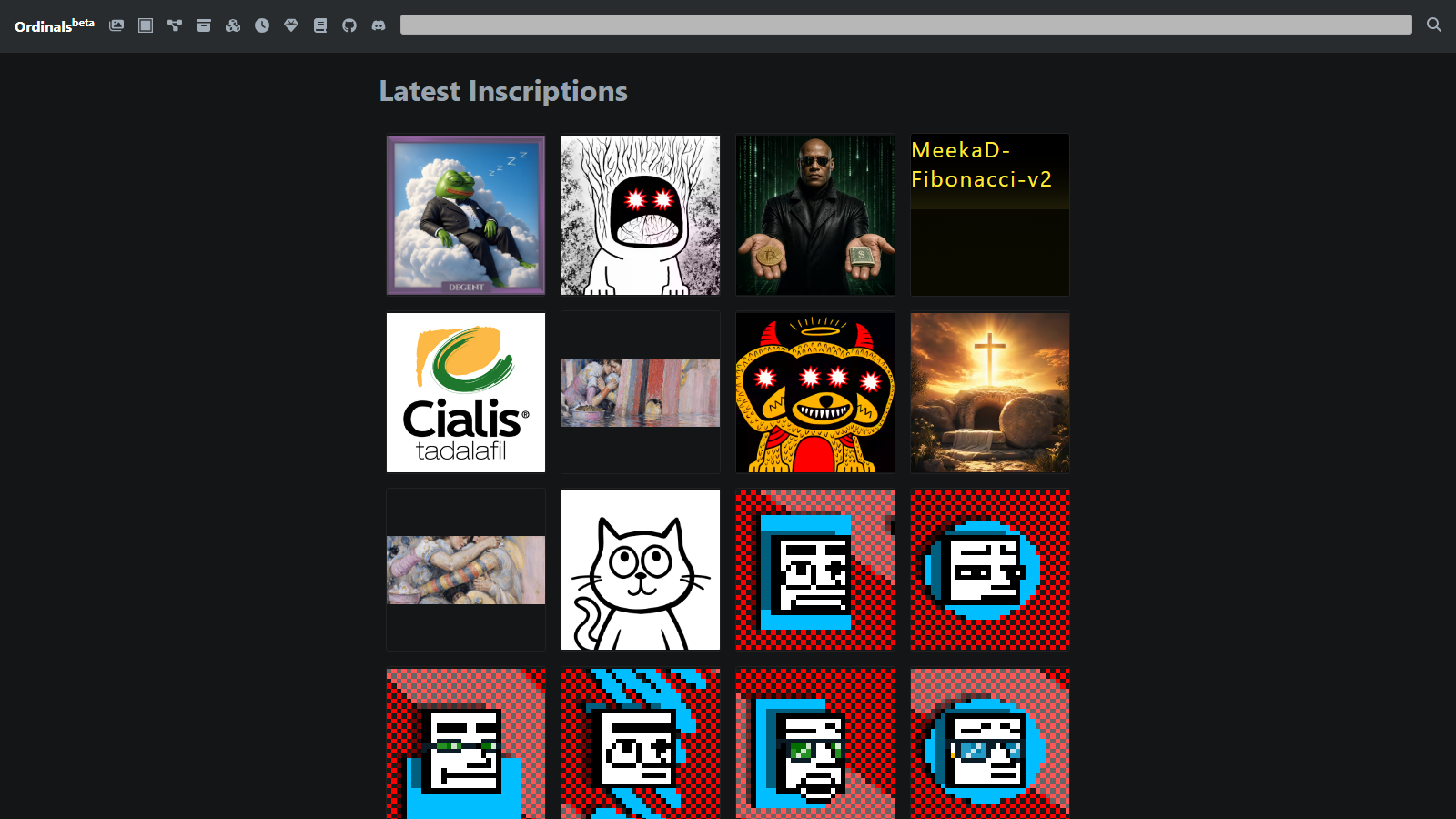
Ord wallet provides the most direct reference workflow but demands a node and local index. A user reported that initial indexing had already taken ten hours and slowed after block 600,000 in a February 2023 setup thread. That is the cost of explicit control: budget storage, synchronization time, and command-line recovery before using it.
The ord wallet fits operators who prioritize local indexing and explicit transaction construction over convenience. Budget for Bitcoin Core synchronization and index storage, keep command and version records, test wallet backups, and rehearse sending one low-value inscription before trusting the workflow with rare assets.
Use a wallet that exposes the outpoint and transaction inputs for valuable assets, and keep marketplace activity in a separate hot-wallet workflow. A polished marketplace screen is not evidence that the wallet protects an inscription-bearing UTXO.
Which is the Best Bitcoin Ordinals and Runes Wallets?
Xverse is the best overall choice for most Ordinals and Runes users because it combines a consumer-friendly interface with Bitcoin-native asset visibility, marketplace access, Ledger support, and separate addresses for payments and collectibles. UniSat is the stronger option for active BRC-20 and Runes traders who need deeper marketplace and inscription tools, while Leather is better for users who want clearer Bitcoin account separation alongside Stacks support.
The Ord wallet is the best option for technical operators who prioritize direct outpoint control and local indexing over convenience. Magic Eden Wallet is suited to frequent marketplace activity, whereas OKX Wallet and Phantom fit users who prefer a multi-chain interface. Oyl, FoxWallet, and Wizz should remain secondary choices until the user has verified their UTXO controls, backup compatibility, and low-value recovery path.
Whichever wallet is selected, it must identify inscription-bearing outputs before signing and prevent routine BTC transactions from consuming them. Keep valuable assets separate from spending funds, verify the destination and transaction inputs, and use the hardware wallet recovery process before relying on the wallet for long-term storage.
Asset-aware controls matter more than badges
Choose an Ordinals or Runes wallet only after confirming that it identifies the asset-bearing outpoint, protects ordinary BTC spending, and shows the intended transfer before signing. Compatibility claims are not a substitute for that workflow.
Frequently asked questions
Can any Bitcoin address receive an Ordinal?
An inscription can be sent to a Bitcoin address, but safe storage depends on not spending the UTXO that carries it. The receiving wallet may not understand how to protect that UTXO during later BTC transactions.
Is a normal hardware wallet enough for Ordinals?
Not by itself. The hardware wallet can protect signing keys, but the coordinator must construct and display a safe asset transaction. Confirm the wallet and device compatibility before funding.
Are Runes and Ordinals the same thing?
No. They use different protocol concepts and wallet handling. A wallet supporting one does not automatically support the other safely.
Should I keep Ordinals and BTC in one wallet?
It can be done with strong coin control, but separate wallets or accounts reduce accidental selection risk. The choice depends on the wallet’s asset awareness and the user’s ability to inspect transactions.
Disclaimer: This article is for informational purposes only and does not constitute financial or investment advice. Cryptocurrency and digital asset markets carry significant risk. Always do your own research before making decisions.
