



Learn about bitcoin seed phrase vs passphrase with practical self-custody walkthroughs, security controls, and step-by-step guidance
A seed phrase recreates the wallet keys, while a BIP39 passphrase creates a separate wallet branch from the same seed. The passphrase is not an extra word that can be reset later; one character entered differently produces a different set of addresses.
Use a passphrase only when it can be backed up, entered accurately, and recovered by the intended successor. Store the seed and passphrase with separate access controls, then verify both the base wallet and protected branch with known receive addresses before moving meaningful BTC.
Related guides: Bitcoin Hardware Wallet Security Comparison: Signing and Recovery Workflows, Bitcoin Hardware Wallet Backup and Recovery: How to Test and Restore Safely, and Why Bitcoin-Only Payment Gateways Are No Longer Enough in 2026
Seed phrase, passphrase, and PIN at a glance
| Control | Seed phrase | BIP39 passphrase | Device PIN |
|---|---|---|---|
| Main role | Recreates the wallet’s root keys | Derives a separate wallet from the same seed | Unlocks one physical device |
| Required | Yes for a conventional BIP39 wallet | Optional | Device-dependent |
| Wrong input | Usually rejected by checksum or restores another seed | Opens a different valid wallet | Rejected by the device |
| Provider reset | No | No | Sometimes reset by wiping the device |
| Recovery test | Restore and match a known address | Enter exact text and match the protected address | Unlock the current device |
The PIN is not part of wallet recovery. A replacement device can restore the keys from the seed and exact passphrase without knowing the old PIN, while the old PIN cannot recreate anything after the device is destroyed. Treating the PIN as a backup creates false confidence because it protects only the current device.
Bitcoin seed phrase definition
A seed phrase is a sequence of human-readable words that represents wallet entropy in a form people can record and restore. The Trezor recovery-seed overview describes mnemonic generation and the conversion from the mnemonic to a binary seed. Wallet software then uses that seed with derivation standards to generate private keys, public keys, addresses, and change paths.
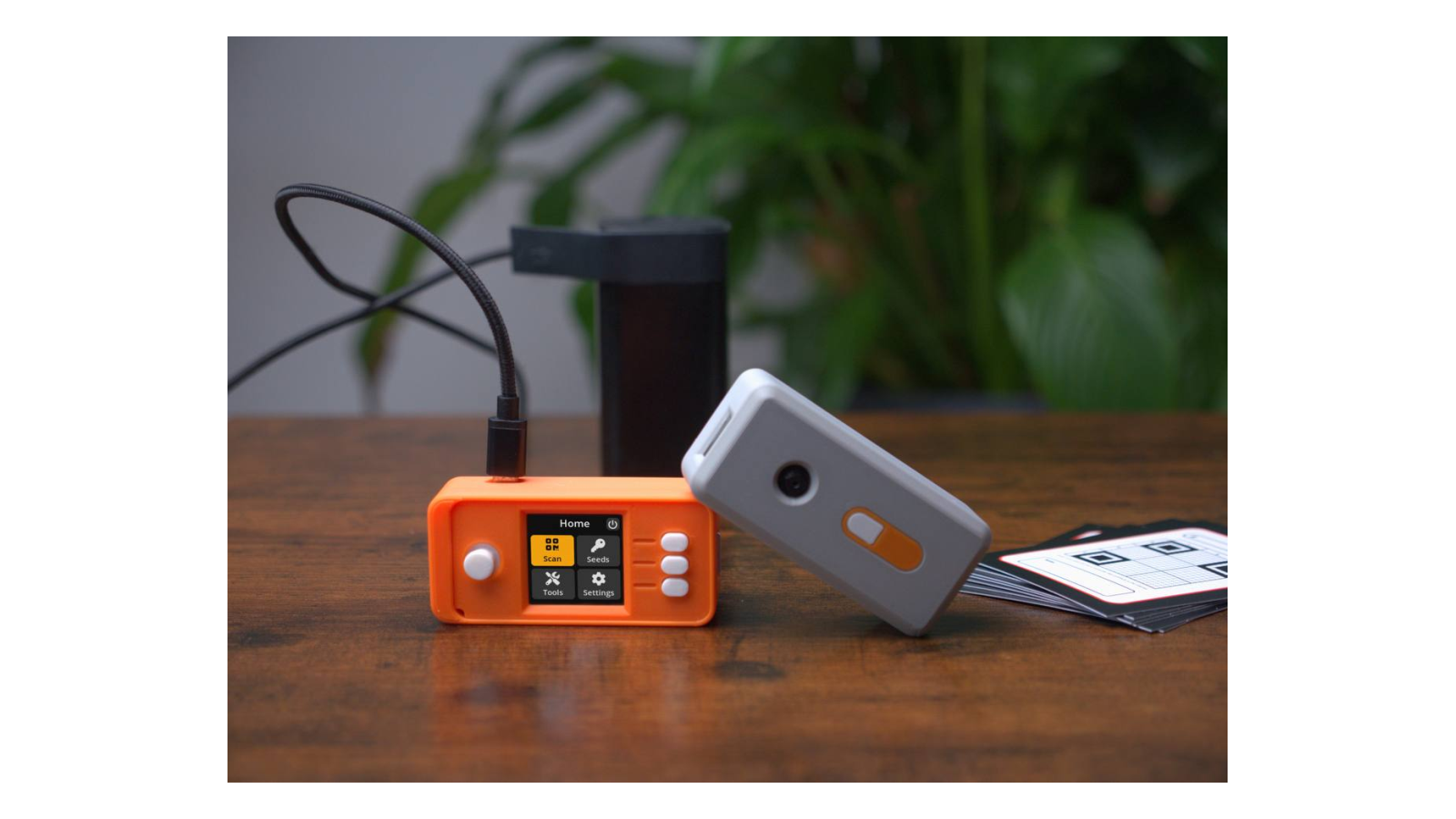
The phrase is not a list of coins and it is not stored on the Bitcoin blockchain. Bitcoin transactions record outputs and signatures, while the wallet uses its private keys to prove control. The seed phrase is a backup for the key-generation process, which is why anyone who obtains it may be able to recreate the wallet on compatible software.
Writing the phrase correctly is only the first step. The owner must preserve word order, spelling, and the wallet’s expected format. A single wrong word can create a different or invalid recovery result. The phrase should be generated during a controlled self-custody setup, recorded offline, and never entered into a website for “verification.”
BIP39 passphrase definition
A BIP39 passphrase is optional text added to the mnemonic during seed derivation. BIP39 specifies the mnemonic as one input and the string mnemonic plus the passphrase as the salt used by the derivation process. This is why the passphrase is sometimes described as creating another wallet rather than unlocking a simple setting.
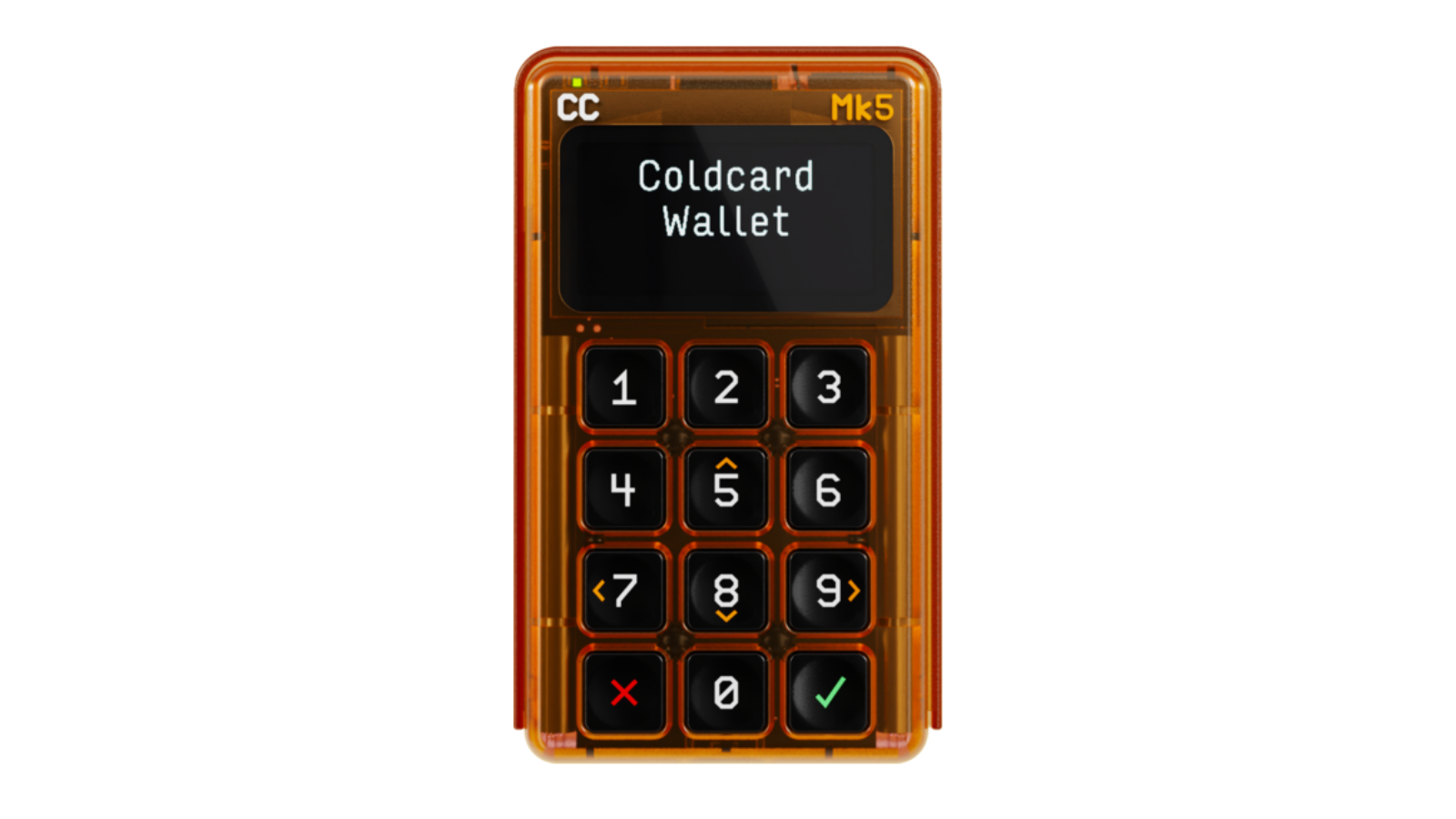
There is no universal default passphrase that a provider keeps for you. An empty passphrase produces one wallet; any non-empty passphrase produces another branch. Capitalization, spaces, punctuation, and spelling matter. A passphrase that looks almost right can still lead to a valid empty wallet.
The popular phrase “25th word” is therefore incomplete. A passphrase does not have to be one word, and it is not part of the standard mnemonic word list. Calling it an extra word can encourage people to write it beside the seed or assume that the wallet can recover it automatically.
How the two secrets interact
Think of the seed phrase as the base input and the passphrase as an additional branch selector. Restoring only the seed phrase recovers the empty-passphrase wallet. Restoring the same words plus the exact passphrase recovers the protected branch. Both results can be technically correct while showing different addresses.
This explains one of the most frightening hardware-wallet recovery experiences: the owner enters the correct words, sees no balance, and assumes the funds are gone. Before taking any further action, check whether a passphrase was used, whether the wallet uses a different account path, and whether the correct network and wallet type were selected.
The Bitcoin developer wallet guide notes that wallets may refer to software or files controlling keys and that BIP39 can generate a root seed from a mnemonic and optional password. The implementation details matter because wallets can expose different account and address paths even when they accept the same recovery words.
Incorrect passphrases open different wallets
Every passphrase produces a valid derived wallet. The device cannot display an incorrect-passphrase warning because it has no external record of which branch the owner intended. A typo, trailing space, capitalization change, or different punctuation can therefore open an empty wallet with normal-looking addresses instead of returning an error.
The reliable identifier is a previously verified receive address or wallet fingerprint, not the absence of an error message. Record a public reference for the protected branch, restore it on the approved device, and compare the result before signing or depositing more Bitcoin. Randomly trying variations under pressure increases the chance of recording another wrong branch as the expected wallet.
Backup choices and failure modes
The seed phrase should have a physical backup that is protected from casual discovery and common environmental damage. Paper is easy to create but can be destroyed by water, fire, ink failure, or an accidental photograph. Metal improves resistance to some hazards but remains a secret that must be protected from unauthorized access.
The passphrase creates a different backup problem. If it is stored next to the seed, an attacker who finds one location may obtain both. If it is stored too far away or described too vaguely, the owner may be unable to reproduce it. A robust plan records where the passphrase is held and how its exact form can be recovered without placing the text in a networked note.
Do not keep a screenshot of either secret. Do not paste them into a wallet support chat. Do not use a public “BIP39 tool” to test a suspected phrase. Even if a tool claims to run locally, entering the words into a connected computer creates a new exposure that is difficult to audit later.
How to test a passphrase safely
Start with a watch-only reference created from the wallet’s public information. Record one or more receive addresses for the empty-passphrase wallet and, if used, the passphrase wallet. Then restore the words on an approved device or compatible offline workflow and compare the addresses.
The empty-passphrase branch should be tested separately from the passphrase branch. Do not assume that a device’s menu label is enough; the exact passphrase must be entered and then the resulting address must be checked on the trusted screen. Send only a small test amount before relying on the branch for long-term custody.
If a passphrase branch is empty, stop instead of experimenting with random spellings. Check spaces at the beginning or end, capitalization, punctuation, the selected account, and the derivation path. Once the expected address is reproduced, sign a small transaction and document the process without recording the secret in the same document.
When a passphrase improves security
Not automatically. A passphrase can reduce the impact of a discovered seed, but it also adds another way to lose access. It increases operational security only when the owner can reproduce it accurately and when the backup and recovery plan are tested.
For a beginner, a simple single-signature wallet with a well-tested physical backup may be safer than a passphrase system that is never rehearsed. For an experienced holder, a passphrase can separate a decoy wallet from a deeper reserve or add another control to a physical backup. The choice should follow a threat model, not a slogan.
Passphrases also do not protect against every attack. They cannot stop a user from approving a malicious destination, exposing the secret to a fake support site, or losing the device and backup together. They are one layer in a custody design, not a replacement for hardware-screen address verification and recovery testing.
A practical storage policy
Treat the two secrets as different classes of information. The seed phrase is the root backup and should be stored in a durable, private location. The passphrase is the additional branch selector and should be stored so that the same casual observer does not automatically obtain both, while still remaining recoverable by the intended owner or successor.
The policy must record separate locations for the seed and passphrase, identify who may know that the second secret exists, and define a test proving that both branches produce the expected addresses. A design that has never passed this test is not ready for a large balance.
Some owners use a passphrase to create a visible wallet and a deeper reserve. That can be useful, but it creates a social and recovery problem: a successor may restore the seed and believe the visible wallet is the complete estate. If inheritance matters, the instructions must explain the existence of the additional branch without revealing unnecessary information to people who do not need access.
Generate the seed instead of inventing it
A standard 12-word BIP39 mnemonic represents 128 bits of generated entropy plus a 4-bit checksum; a 24-word mnemonic represents 256 bits plus an 8-bit checksum. Let the hardware wallet generate that entropy during private initialization. A quotation, birthday, address, song title, or sentence chosen by the owner does not become equivalent to a generated mnemonic merely because it contains 12 or 24 words.
The passphrase follows a different rule because it is optional user-supplied text. Avoid names, dates, public quotations, keyboard patterns, and short phrases that appear in password dictionaries. Preserve the exact capitalization, spaces, punctuation, and character set in a separate controlled backup. A strong passphrase that nobody can reproduce is an access failure, while a memorable public phrase provides little protection after the seed is exposed.
Complete one low-value recovery drill before moving the reserve. Generate the seed on the signer, record it offline, create the passphrase branch, verify one receive address on the device, and retain that public address as the branch reference. This process proves that the secret was generated correctly and that the owner can reproduce the intended wallet.
Build a recovery record another person can use
Create a public recovery record without placing either secret inside it. Record the device model, wallet application, Bitcoin network, script type, account number, derivation path, master fingerprint, passphrase status, coordinator name, one verified receive address, test transaction ID, and last successful recovery date. A concrete entry can identify native SegWit with derivation path m/84'/0'/0', mark passphrase use as yes, and store the matching address separately for comparison.
The master fingerprint, descriptor, extended public key, and receive address are not signing secrets, but they expose wallet structure and may reduce privacy. Store them with the operating instructions rather than publishing them or placing them beside personal identity records. Their purpose is to identify the correct account during restoration without repeatedly trying derivation paths or passphrase variants.
For family or business custody, assign an owner to each recovery action. The record should identify who obtains the spare signer, who provides the seed backup, who supplies the passphrase, and who compares the restored address. Use location codes instead of writing the secret locations in full. Update the record after changing the device, coordinator, account, derivation path, or passphrase policy.
Seed and passphrase evidence
Run the seed-only and passphrase branches as separate recovery tests on a spare signer or low-value test wallet. First restore the mnemonic without a passphrase and compare the resulting address with the base-wallet reference. Then enter the exact passphrase and compare the protected branch. Finish by signing one low-value transaction from the protected branch and verifying its destination and fee on the device.
| Recovery test | Pass condition | Failure response |
|---|---|---|
| Seed-only branch | Known base-wallet address appears | Recheck words, network, account, and derivation path |
| Seed plus passphrase | Known protected address appears | Recheck exact spaces, case, punctuation, and account |
| Low-value spend | Device signs from the expected branch | Stop funding and correct the signing workflow |
An empty wallet after passphrase entry is not evidence that the Bitcoin disappeared. It proves only that the entered text derived a branch with no recognized history. Stop after a mismatch, return to the recovery record, and correct one controlled variable at a time. The setup is ready only after all three tests pass and the result is dated in the recovery record.
Conclusion
The seed phrase restores the base wallet; a passphrase creates a different branch that must be documented and reproduced exactly. Use a passphrase only when the recovery and storage policy is stronger than the added complexity.
Frequently asked questions
Is the passphrase stored on the Bitcoin blockchain?
No. The blockchain does not store the seed phrase or passphrase. The wallet derives keys locally and uses signatures to spend from transaction outputs.
Can I use the same passphrase on another hardware wallet?
Only if the devices support the same relevant standards, derivation paths, account type, and wallet format. The text alone does not guarantee identical addresses.
What happens if I forget the passphrase?
The protected branch may become inaccessible even when the seed words are correct. Try only carefully documented possibilities in a safe offline process; do not enter the seed into online recovery tools.
Should the seed and passphrase be stored together?
That reduces the chance of separating the secrets but increases the damage if the storage location is discovered. Choose the arrangement based on the threat model and test the recovery process.
Disclaimer: This article is for informational purposes only and does not constitute financial or investment advice. Cryptocurrency and digital asset markets carry significant risk. Always do your own research before making decisions.
