

The best crypto exchange aggregators in 2026, evaluated through a Bitcoin-first lens – MEV protection, BTC routing quality, custody model, and which aggregators are safe to use for BTC pairs.
The best crypto exchange aggregators in 2026 are: 1inch, CoW Protocol, Velora, Odos, Uniswap X, and LI.FI. Evaluated from a Bitcoin-first standpoint – BTC routing quality, MEV protection, and custody model – that is the order that holds up.
Quick comparison: crypto exchange aggregators 2026
| Aggregator | Chain coverage | BTC routing model | MEV protection | Fee transparency | Best for |
|---|---|---|---|---|---|
| 1inch | 15+ chains | WBTC via Pathfinder | Fusion+ intent model | Displayed | Multi-chain, broadest coverage |
| CoW Protocol | Ethereum + Gnosis | WBTC batch auctions | Surplus-sharing solver | On-chain verifiable | MEV protection, Ethereum WBTC |
| Velora | 10+ chains | WBTC via Delta RFQ | RFQ (firm quotes) | API-level | Institutional, large WBTC trades |
| Odos | 10+ chains | WBTC multi-path v2 | Multi-path splitting | Displayed | Multi-hop WBTC optimization |
| Uniswap X | ETH + L2s | WBTC via fillers | Intent-based fillers | Displayed | ETH-native, Uniswap users |
| LI.FI | 30+ chains | Cross-chain WBTC | Bridge + swap combined | API-level | Cross-chain BTC migration |
6 crypto exchange aggregators reviewed (Bitcoin-first evaluation)
These aggregators all route BTC pairs through wrapped Bitcoin (WBTC, tBTC, or cbBTC on Coinbase’s Base chain). That introduces a trust assumption that native Bitcoin does not have: you are trusting the wrapping custodian for WBTC (BitGo, as of 2026), or the bridge protocol for tBTC (Threshold Network), or the issuer for cbBTC (Coinbase). Before using any EVM-chain aggregator for BTC swaps, understand which wrapping model is in use.
For the aggregators where we link to Bitcoin Layer 2 projects, note that Lightning Network and RGB-based BTC are emerging alternatives that do not require EVM wrapping – but aggregator support for those native BTC formats is limited as of July 2026.
1inch
1inch has accumulated more cumulative swap volume than any other DEX aggregator – over $300 billion routed across more than 15 chains by mid-2026. Its Pathfinder algorithm splits orders across multiple liquidity pools and routes to minimize price impact and output maximization.
For WBTC specifically, 1inch routes through Uniswap V3, Curve, Balancer, and other pools depending on chain and pair. The routing depth for major WBTC pairs (WBTC/USDC, WBTC/ETH) on Ethereum mainnet is competitive with any aggregator on this list.
Fusion+ mode, the cross-chain intent system launched in 2025, allows users to sign an intent to swap and have resolvers compete to fill it at the best available rate. The user does not submit the on-chain transaction – the resolver does. This eliminates the front-running window because the mempool never sees a pending user transaction.
1inch displays the resolver competition and routing path for each swap.
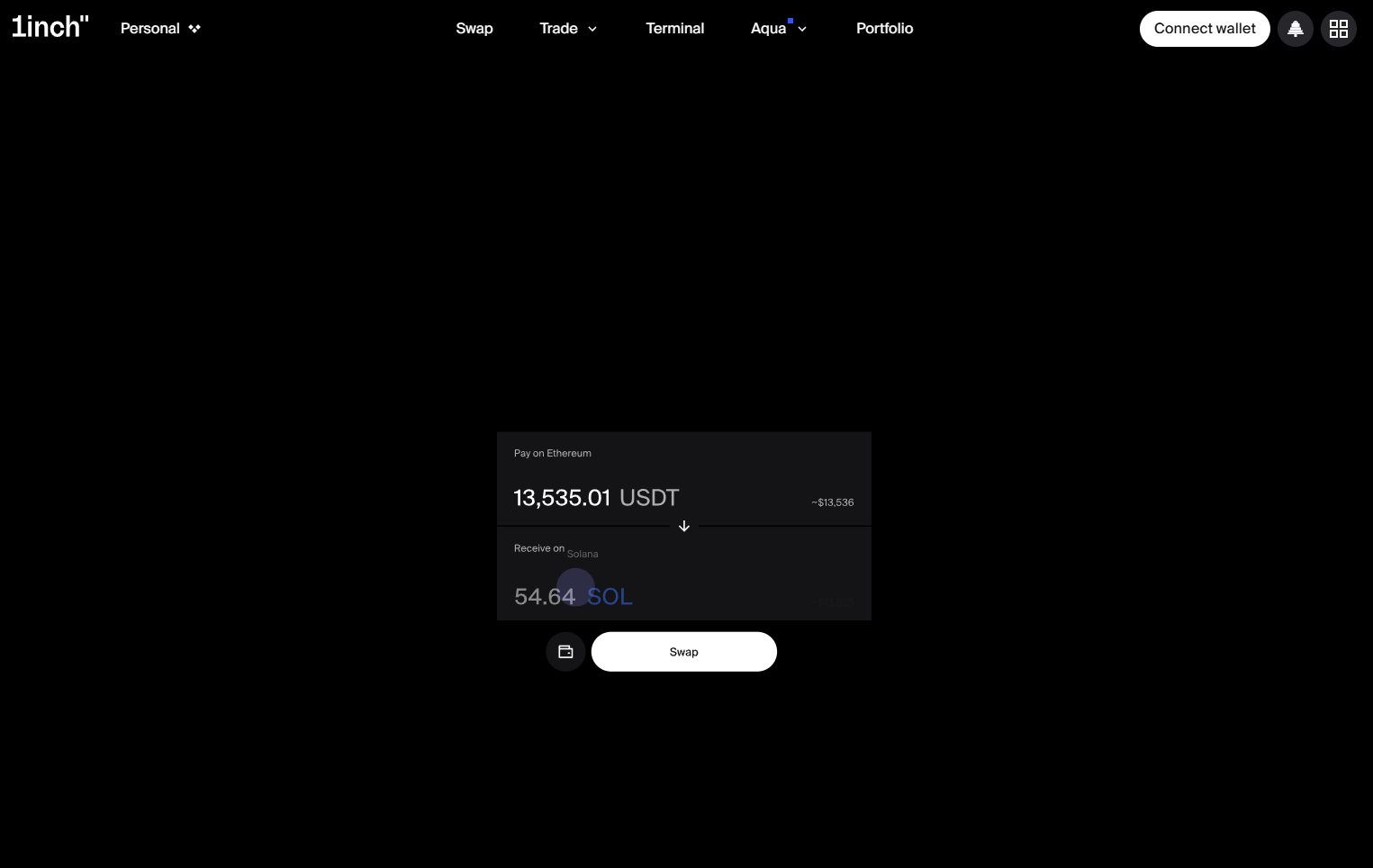
For Bitcoiners evaluating custody model: in Fusion+ mode, the resolver holds your input tokens between signing and settlement, which is a brief custodial window. The resolver set is permissioned (approximately 80 resolvers as of mid-2026).
Best for: Multi-chain WBTC traders who need the broadest routing coverage and a well-tested intent-based MEV protection model.
Main tradeoff: Resolver concentration risk in Fusion+ mode. WBTC wrapping trust assumption (BitGo custody) applies to all 1inch WBTC swaps.
CoW Protocol
CoW Protocol’s batch auction model is the strongest MEV protection architecture among EVM aggregators in 2026. Instead of routing each trade individually, CoW batches multiple trades together and runs a solver competition. Solvers who find a coincidence of wants – a buyer and seller with matching intents – can match them directly without touching a liquidity pool at all, eliminating pool fees and MEV exposure simultaneously.
For WBTC trades, CoW’s solver competition on Ethereum mainnet means your order competes with all other orders in the batch. If another trader is selling WBTC at the same time you are buying, CoW can match you directly at a better rate than any pool would offer.
The surplus-sharing mechanism introduced in 2025 returns any execution surplus (the difference between quoted and actual fill rate) to the user. That makes CoW the only major aggregator where the protocol is architecturally incentivized to give users better-than-quoted prices rather than capturing that surplus for itself or for market makers.
CoW Protocol publishes all batch auctions on-chain, making solver competition verifiable.
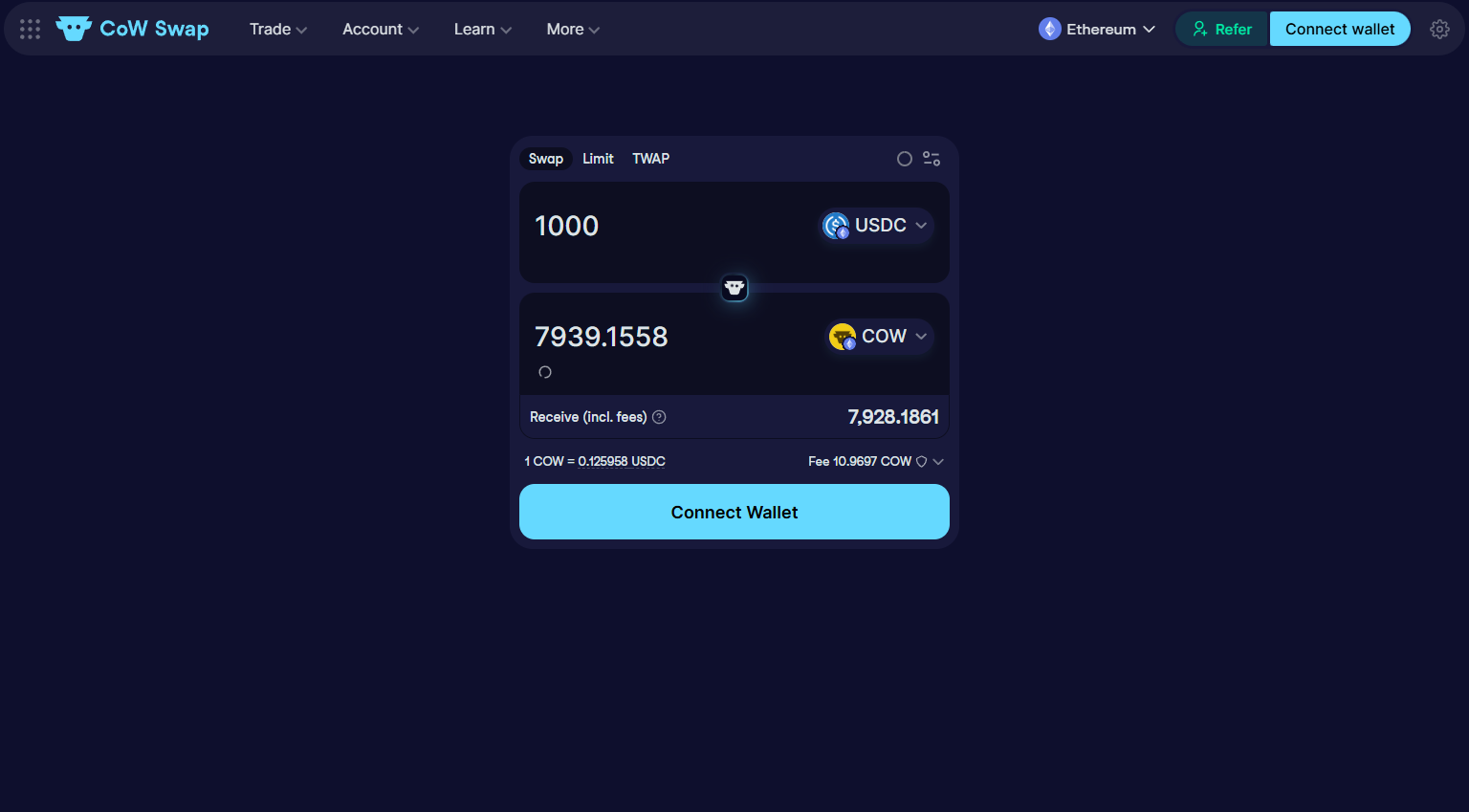
The on-chain proof of what each solver offered is permanently available.
The limitation for Bitcoin-focused traders: CoW operates primarily on Ethereum and Gnosis Chain. Cross-chain WBTC routing (e.g., moving WBTC from Ethereum to Arbitrum as part of a swap) requires a different protocol.
Best for: Ethereum-based traders executing WBTC swaps who want the strongest available MEV protection and verifiable on-chain execution proof.
Main tradeoff: Limited chain coverage. Batch auction settlement is slower than single-trade routing. WBTC wrapping trust assumption still applies.
Velora (Formerly Paraswap)
Velora’s Delta feature uses a request-for-quote model where professional market makers provide firm quotes before the user signs a transaction. For large WBTC trades where slippage on pool-based routing would be significant, Delta’s firm-quote model locks in a rate before any on-chain transaction exists, which provides a form of MEV protection through rate certainty rather than architectural anti-front-running.
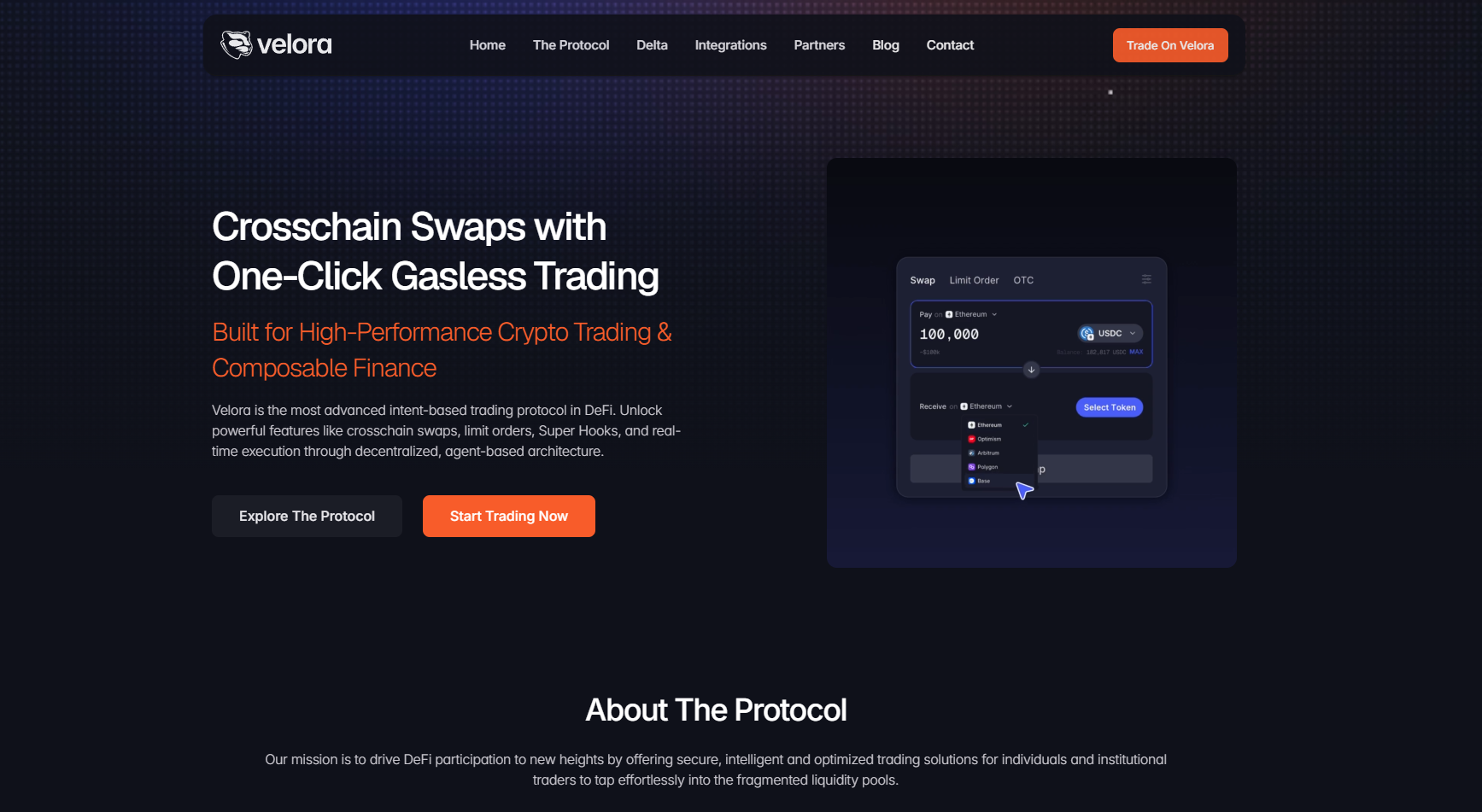
Velora is embedded in multiple wallets and DeFi protocols as a backend routing API. The actual volume routed through Velora is substantially higher than what the Velora interface shows directly.
For Bitcoiners evaluating Velora for WBTC trading: the Delta model depends on the quality and competitiveness of Velora’s market maker relationships. If the market maker set is concentrated, the competitive pressure that makes firm quotes competitive may degrade. This is harder to verify than on-chain auction competition.
Best for: Large WBTC trades where rate certainty before transaction submission is worth the market-maker dependency.
Main tradeoff: Delta model depends on off-chain market maker competition that is harder to verify than on-chain auction results.
Odos
Odos v2, launched in 2025, introduced multi-path optimization that benchmarks favorably against 1inch on multi-hop routes. For WBTC trades that require routing through two or more pools to reach the destination token, Odos v2’s pathfinding algorithm demonstrates measurable improvements over standard aggregators in the benchmarks Odos published.
Odos displays the routing path for each swap, showing exactly which pools and chains are used.
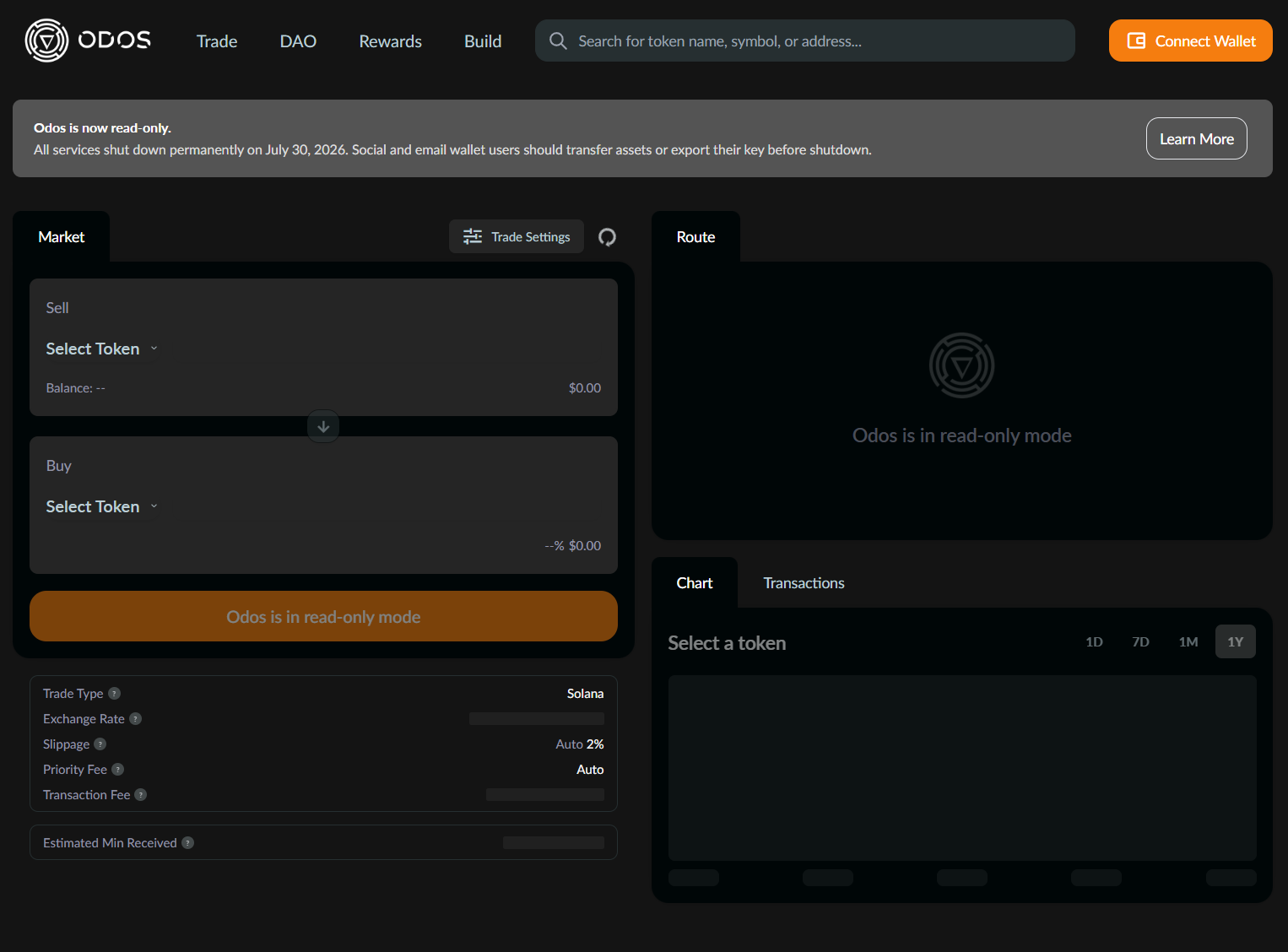
The transparency is useful for Bitcoiners who want to audit where their WBTC is routed before committing.
Odos is smaller than 1inch by cumulative volume and has a shorter security track record. The trade-off for Bitcoin-first traders is: better routing quality on complex paths, smaller audited codebase history.
Best for: Multi-hop WBTC trades on Ethereum and L2s where routing quality on complex paths is the priority.
Main tradeoff: Shorter track record than 1inch or CoW Protocol. Smaller resolver/solver set.
Uniswap X
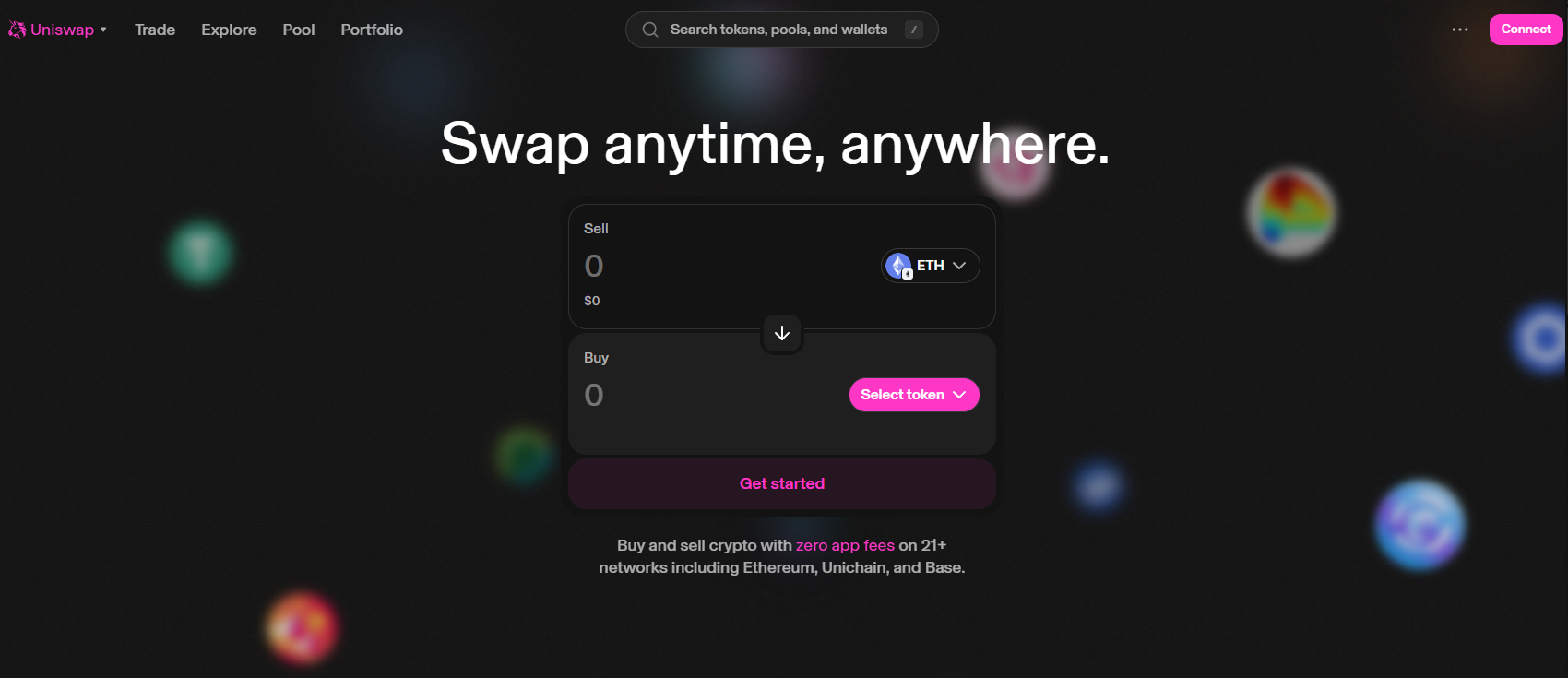
Uniswap X is Uniswap’s intent-based routing layer that routes trades through a filler network rather than Uniswap’s own pools by default. Fillers compete to fill signed user intents, and Uniswap pools are the fallback rather than the primary execution venue.
For WBTC specifically, Uniswap X routes through whichever source the filler network can fill at best execution. The filler set is currently smaller than 1inch’s resolver set, which means less competitive pressure on fill quality for edge cases and low-liquidity pairs.
Uniswap X is live on Ethereum mainnet and expanding to L2 networks. For Uniswap-native traders who already use the Uniswap interface, the upgrade to intent-based routing is automatic – it is built into the standard Uniswap swap interface.
Best for: Ethereum and L2 traders who use the Uniswap interface and want intent-based MEV protection without switching tools.
Main tradeoff: Smaller filler set than 1inch. WBTC routing quality depends on filler competition at the time of trade.
LI.FI
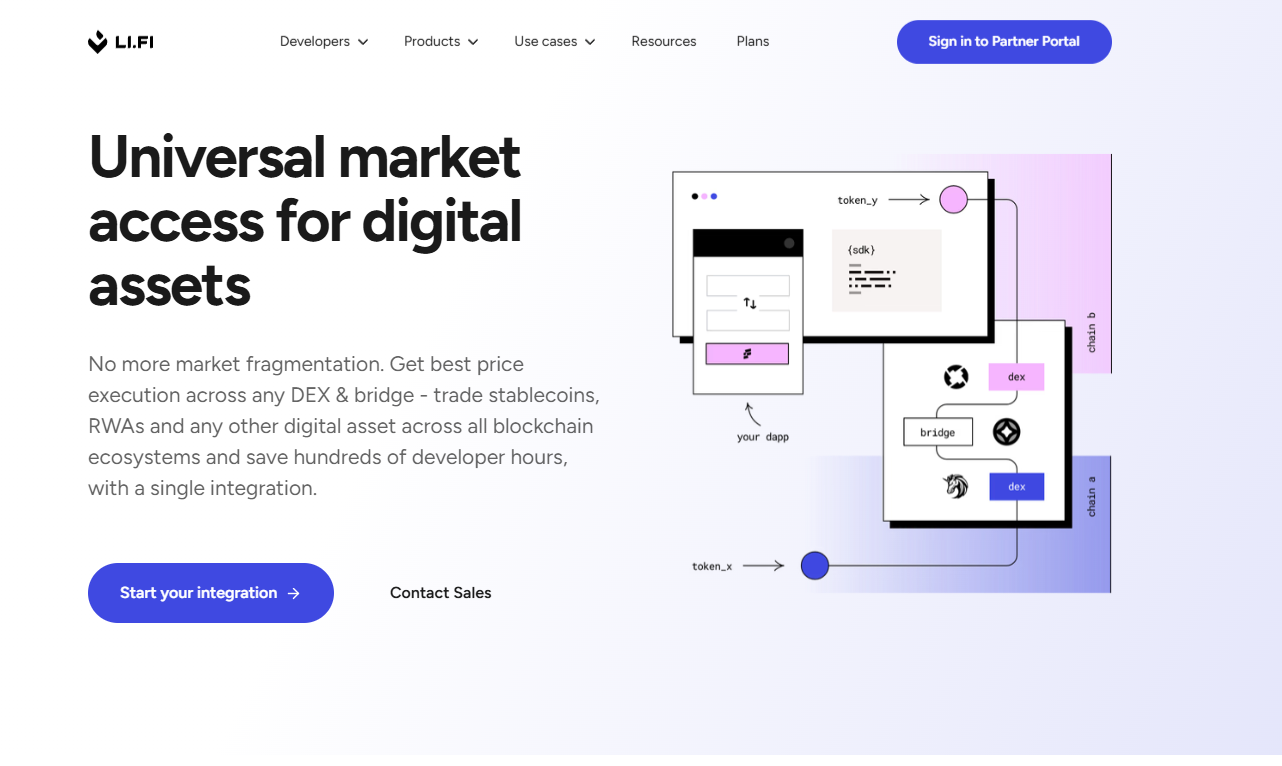
LI.FI is a cross-chain aggregator-of-aggregators that combines DEX aggregation with bridge routing. For Bitcoiners who need to move WBTC from one chain to another as part of a swap, LI.FI can route the entire operation – bridge plus swap – as a single intent across 30+ chains.
LI.FI aggregates bridges including Stargate, Hop, Across, and Connext, and selects the optimal path based on speed, cost, and security parameters the user sets. For a Bitcoin-holder managing positions across multiple EVM chains, LI.FI solves a real coordination problem.
The custody model is the weakness that Bitcoiners should weight heavily. LI.FI’s cross-chain routing introduces multiple smart contract and bridge dependencies simultaneously. A vulnerability in any bridge LI.FI routes through can affect LI.FI transactions. The attack surface is materially larger than single-chain aggregators.
Best for: Cross-chain portfolio management where WBTC needs to move across multiple chains as part of a single operation.
Main tradeoff: Largest attack surface of any aggregator on this list due to multi-bridge dependency. Not appropriate for large BTC-denominated positions without accepting the expanded smart contract risk.
Ranking scorecard
Scored out of 10 per category. Total out of 60.
| Aggregator | BTC routing quality | MEV protection | Custody model | Fee transparency | Chain coverage | Track record | Total |
|---|---|---|---|---|---|---|---|
| 1inch | 8 | 8 | 7 | 8 | 10 | 9 | 50 |
| CoW Protocol | 7 | 10 | 8 | 10 | 5 | 8 | 48 |
| Velora | 7 | 7 | 7 | 6 | 8 | 8 | 43 |
| Odos | 8 | 7 | 7 | 8 | 7 | 6 | 43 |
| Uniswap X | 7 | 8 | 7 | 7 | 6 | 7 | 42 |
| LI.FI | 6 | 5 | 5 | 5 | 10 | 6 | 37 |
Scoring notes: BTC routing quality scores how well each aggregator handles WBTC and other BTC-pegged token swaps – routing depth, multi-hop optimization, and BTC pair coverage. MEV protection scores the architectural strength of the anti-front-running mechanism. Custody model scores whether the aggregator introduces additional counterparty risk beyond the underlying pool smart contracts. Fee transparency scores how clearly fees are shown before commitment. Chain coverage scores how many chains the aggregator supports. Track record scores operational history, audit coverage, and absence of significant exploits.
1inch scores highest overall due to the combination of broad chain coverage, Fusion+ intent protection, and the strongest operational track record by cumulative volume. CoW Protocol scores highest on MEV protection and fee transparency – its on-chain batch auction is verifiable and its surplus-sharing model is the most user-aligned of any aggregator. LI.FI scores lowest on custody model because its cross-chain routing introduces bridge risk that is harder to audit than single-chain pool routing.
The WBTC trust assumption every Bitcoiner should understand
Every EVM-chain DEX aggregator routes BTC swaps through wrapped Bitcoin, not through Bitcoin itself. As of 2026, the dominant wrapped BTC on Ethereum is WBTC, custodied by BitGo. BitGo holds the underlying BTC in custody and mints WBTC 1:1. If BitGo is compromised, insolvent, or compelled to freeze withdrawals, WBTC holders on Ethereum face the same counterparty risk as any custodial exchange user.
tBTC, maintained by Threshold Network, is a decentralized alternative that uses a multi-party computation custody model without a single custodian. It is smaller in supply and liquidity than WBTC but represents a more Bitcoin-aligned wrapping approach. Some aggregators route WBTC and tBTC interchangeably depending on available liquidity.
cbBTC, issued by Coinbase on Base chain, is custodial (Coinbase holds the BTC). For Bitcoiners who have already accepted Coinbase’s custody model (via Coinbase Custody or COIN holdings), cbBTC is consistent. For Bitcoiners who prioritize non-custodial Bitcoin exposure, cbBTC is not appropriate.
The practical implication: when you use any DEX aggregator to swap involving BTC-pegged tokens, you are making a trust decision about the wrapping model, not just the aggregator. Understanding which wrapped BTC token the aggregator routes through is the due diligence step most guides skip.
What this review verified and what it did not
| Claim | Status |
|---|---|
| 1inch cumulative volume exceeds $300B across 15+ chains | Based on publicly reported protocol statistics; not independently verified against on-chain data |
| CoW Protocol surplus sharing mechanism | Documented in CoW Protocol whitepaper; on-chain batch data reviewed |
| Odos v2 outperforms 1inch on multi-hop routes | Based on Odos-published benchmarking; independent third-party benchmarks not reviewed |
| WBTC custodied by BitGo | Confirmed via WBTC.network public documentation |
| tBTC uses multi-party computation custody | Confirmed via Threshold Network documentation |
| LI.FI aggregates 30+ chains and multiple bridges | Based on LI.FI published chain and bridge list; not independently counted |
| Live swap execution or routing quality tested | Not verified |
If you hold Bitcoin and need to route a swap through a multi-chain DEX aggregator, the question is not which aggregator has the best UI. The question is: which aggregator actually protects your execution from MEV extraction, how does it route BTC pairs specifically, and what happens to your trade if the routing layer fails?
Most crypto exchange aggregator comparisons evaluate aggregators from an Ethereum-native or altcoin-trading perspective. This guide evaluates them from a Bitcoin-first standpoint: how does each aggregator handle BTC and wrapped BTC routing, what is the MEV protection architecture, and what are the custody risks that Bitcoiners evaluating these protocols should understand?
Note that native Bitcoin swaps (on-chain Bitcoin to on-chain Bitcoin) are covered in Best Bitcoin Exchange Aggregators 2026. This guide covers DEX aggregators that handle BTC-to-token or wrapped-BTC routing on EVM chains.
Why you can trust this guide
This guide is based on public protocol documentation, published benchmarks, and architectural review of each aggregator’s stated routing model as of July 2026. Where claims depend on live transaction testing, independent smart contract audits, or third-party benchmarking that we did not independently verify, those are marked below.
Frequently asked questions
What is a crypto exchange aggregator?
A crypto exchange aggregator routes your trade across multiple liquidity sources simultaneously – DEX pools, market makers, or other aggregators – to find the best available price. Instead of accepting whatever rate a single exchange offers, an aggregator compares many sources and selects the optimal path.
Do crypto exchange aggregators support Bitcoin natively?
No DEX aggregator on this list routes native Bitcoin (on-chain BTC). They all route through wrapped BTC tokens (WBTC, tBTC, cbBTC) on EVM chains. Native Bitcoin swap services are covered in Best Bitcoin Exchange Aggregators 2026.
What is MEV, and why does it matter for aggregators?
MEV stands for maximal extractable value – profit that can be extracted by reordering, inserting, or censoring transactions within a block. In practice, MEV often means front-running or sandwich attacks, where bots see your pending trade and place trades around it to profit at your expense. Aggregators using intent-based routing (1inch Fusion+, Uniswap X) or batch auction models (CoW Protocol) protect against this by ensuring your pending transaction is not visible in the mempool before execution.
Which aggregator has the best price for WBTC swaps?
Price quality depends on trade size, chain, and which pools hold WBTC liquidity at the time of your trade. For Ethereum mainnet WBTC swaps, CoW Protocol and 1inch Fusion+ test well for MEV protection and execution quality. For multi-hop WBTC routes, Odos v2 benchmarks show competitive results. The best approach is to check multiple aggregators at trade time rather than committing to one.
Is WBTC safe to use?
WBTC introduces custodial risk through BitGo, which holds the underlying BTC. BitGo has operated without a significant custody failure since WBTC launched in 2019. However, custodial risk is real: BitGo could be hacked, compelled by regulators, or become insolvent. For large Bitcoin positions, the self-custody principles that apply to hardware wallets also apply to WBTC: hold only what you need in wrapped form, for the duration you need it, and exit back to native Bitcoin custody when the EVM operation is complete.
How do I choose between 1inch and CoW Protocol for a WBTC trade?
For Ethereum-based WBTC trades where MEV protection is the priority: CoW Protocol’s batch auction model is architecturally stronger and its surplus-sharing mechanism means you are more likely to receive better-than-quoted fills. For multi-chain WBTC trades or trades on chains where CoW does not operate: 1inch provides broader coverage. For large WBTC trades requiring rate certainty before submission: Velora’s Delta feature provides a firm-quote model.
Do these aggregators charge fees?
Yes. DEX aggregators charge fees in different ways: some embed a protocol fee on top of pool fees, some embed a spread in the quoted rate. CoW Protocol’s fees are visible in the interface before commitment. 1inch’s Fusion+ model is transparent about the protocol fee. Velora’s Delta fees are disclosed at the API level but less visible in the interface for standard users. Always compare quoted rates against a reference price (CoinGecko, CoinMarketCap) before committing to a swap.